
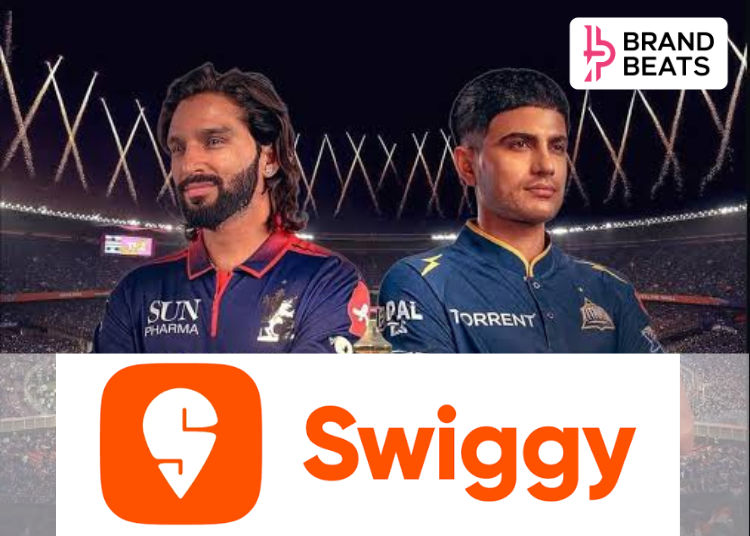
When Royal Challengers Bengaluru and Gujarat Titans walked onto the field for the IPL 2026 final on May 31, millions of Indians were preparing for more than just a cricket match. They were preparing dinner.
According to data released by Swiggy, the championship clash triggered one of the biggest food-ordering surges of the season, with orders on the platform jumping 30% compared to the second qualifier played just two days earlier. Throughout the match, Swiggy averaged more than 1,300 orders every minute, underlining the growing connection between cricket viewership and food consumption in India.
The frenzy peaked at 7:56 PM, when the platform recorded more than 6,200 orders in a single minute as fans settled in for the high-stakes showdown.
The numbers offer a glimpse into how the IPL has evolved beyond a sporting event into a nationwide cultural occasion that shapes consumer behaviour, dining habits and spending patterns.
Cricket Nights Are Becoming Consumption Nights
For years, brands have viewed the IPL as India’s biggest advertising property. Increasingly, however, it is also becoming one of India’s biggest consumption engines.
Whether viewers are watching alone, hosting friends or gathering with family, food has become an integral part of the match-day experience. The result is a sharp spike in ordering activity every time the tournament reaches its most crucial stages.
Swiggy’s latest data suggests that the final generated significantly higher demand than even the playoffs, reinforcing how major cricket moments influence real-world consumer behaviour.
From Biryanis to Butter Sauce Fish, Fans Ordered It All
The final’s ordering patterns revealed the diversity of India’s match-day cravings.
One customer in Dharamshala placed an elaborate order featuring Fish in Lemon Butter Sauce, Grilled Chicken Peri-Peri, Chicken 65 and several other dishes, showcasing how fans increasingly use major sporting events as an excuse to indulge.
Across the tournament, traditional comfort foods continued to dominate.
Chicken Biryani remained one of the most popular choices among viewers, while fast-food favourites and shareable snacks also saw strong demand as households and groups settled in for hours of cricket.
The scale of ordering activity highlights how food delivery platforms have become an essential part of the modern sports-viewing experience.
The IPL’s economic impact is often discussed in terms of media rights, sponsorships and advertising revenues. But consumer platforms are increasingly becoming beneficiaries of the tournament as well.
Food delivery companies, restaurants, beverage brands and quick-commerce platforms all experience spikes in demand during major matches. For many businesses, playoff fixtures and finals now function almost like festival days.
Swiggy’s data reinforces this reality. A 30% increase in order volumes between the second qualifier and the final demonstrates how consumer spending rises alongside tournament intensity. As fan engagement grows, so does the opportunity for brands to become part of the viewing ritual.
Why Brands Are Paying Attention
For marketers, the numbers reveal something important. The IPL is no longer just a media opportunity; it is a behavioral opportunity.
Consumers aren’t simply watching matches. They are ordering meals, hosting gatherings and spending money around the experience. That makes cricket one of the few events capable of generating simultaneous engagement across entertainment, commerce and social interaction.
The fact that Swiggy processed more than 6,200 orders in a single minute during the final illustrates the scale of demand that can be created when millions of people share the same moment.
As the boundaries between sports, entertainment and commerce continue to blur, the IPL is increasingly becoming a real-time trigger for consumer action and if the final between Royal Challengers Bengaluru and Gujarat Titans proved anything, it’s that India’s appetite for cricket remains matched only by its appetite for food.