

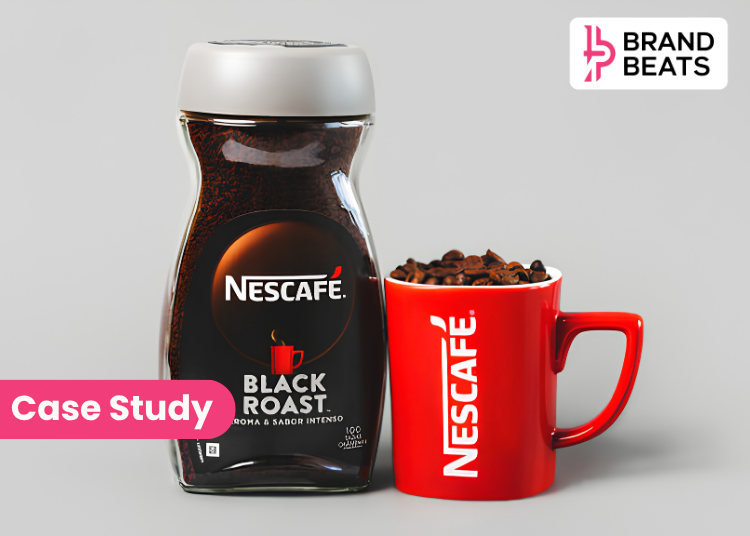
Think about the last time you made instant coffee. A spoonful of coffee, hot water, maybe a little milk, and you’re done. No coffee machine, no complicated brewing ritual, no waiting around.
That simplicity is exactly what made Nescafé such a powerful brand. But its story began much before instant coffee became a morning habit. In the late 1920s, Brazil was dealing with a massive coffee surplus, and Nestlé was challenged to find a way to preserve it.
After an early attempt at coffee tablets fell flat on taste, chemist Max Morgenthaler went back to the lab and eventually developed the soluble coffee powder that became Nescafé in 1938.
What started as a practical solution went on to become much bigger: a brand that helped turn instant coffee into a habit, a culture and, for millions, just another part of everyday life.
It Didn’t Sell A Coffee Trend. It Solved A Coffee Problem.
Nescafé’s biggest advantage was there from day one: it made coffee ridiculously easier to prepare.
No grinding. No elaborate brewing ritual. No waiting around. Add hot water, stir, and coffee was ready. By 1940, Nescafé was already available in more than 30 countries.
Then came one of the most unexpected chapters in its history.
During the Second World War, Nescafé became part of US military rations. After the war, it also appeared in CARE packages sent to Europe and Japan. In other words, a product that had started as a response to excess coffee supply had suddenly travelled into places and situations far beyond the original problem it was designed to solve.
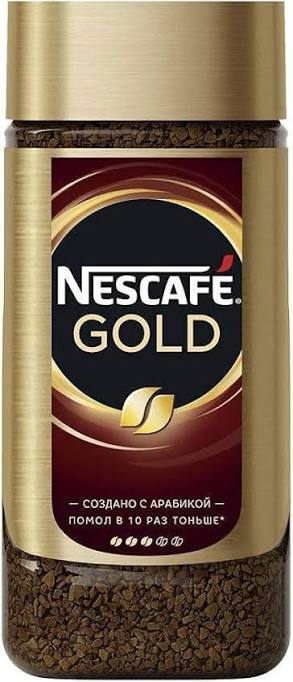
But Nescafé did not stop at making coffee convenient. It kept tinkering with the product and the packaging. Nescafé Gold launched in Europe in 1965, granules replaced the earlier powder format in 1966, and the red mug arrived in 1967.
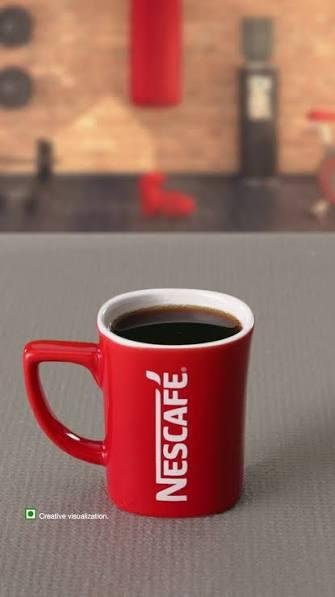
That red mug, in particular, became one of those visual shortcuts brands dream about. You didn’t necessarily need the logo screaming from the screen. Sometimes, the mug did the talking.
Nescafé Turned Coffee Advertising Into Something People Could Come Back To
At some point, Nescafé realised that coffee did not have to be the hero of every coffee ad.
The brand began using storytelling to give people a reason to watch beyond the product itself. One of its most notable examples was the ‘Nescafé Gold Blend campaign’, which built an ongoing story around two characters and unfolded across multiple advertisements.
Instead of selling coffee in every frame, Nescafé created something audiences wanted to follow.
The campaign showed how a familiar product could become part of a larger emotional story, making the brand more memorable without constantly talking about the product.
In India, Nescafé Gave Coffee A New Meaning
India brought a different challenge. Coffee had to find space in a market where tea was already deeply embedded in everyday routines.
Nescafé therefore moved beyond simply promoting coffee and built a larger idea around starting, ambition and persistence. Its “It All Starts With Nescafé” platform featured stories of young people trying to make something happen, including a memorable film around a stammering stand-up comedian, Cartoonist & RJ Rishi’s story.
The coffee became less of the message and more of the ritual sitting alongside it.
This gave Nescafé a way to connect with younger consumers without making the communication feel like a lecture about why they should drink coffee.
The brand extended that thinking through digital and radio-led campaigns such as **Nescafé Mornings**, using content to make the brand part of everyday conversations rather than limiting it to a traditional advertising slot.
The shift was from selling coffee as a beverage to positioning it as something that belongs alongside ambition, work and everyday beginnings.
Then Nescafé Started Finding Coffee Beyond The Morning Cup
Once the brand had established coffee as part of everyday life, it had another problem to solve: why should coffee only belong to one particular moment?
Nescafé began expanding the category through new formats and occasions. In India, it launched its ‘Ready-to-Drink’ range in 2016, taking coffee out of the kitchen and into more on-the-go consumption moments.
That expansion has continued with the brand moving into newer spaces and audiences. In 2025, Nescafé India partnered with gaming streamers to promote its expanded Ready-to-Drink Cold Coffee range, taking the product into a culture where coffee is less about a morning ritual and more about staying switched on.
Its communication has evolved too. The ‘Make Your World’ platform gives Nescafé a broader territory around individuality, expression and everyday experiences, while Nescafé Classic has received a refreshed identity in India.
The brand has also worked backwards into the supply side through the Nescafé Plan, launched in India in 2012, supporting coffee farmers around productivity, quality and more sustainable farming practices.
Nescafé’s expansion, then, has not been about making the same coffee louder.
It has been about continuously widening the role coffee can play first making it convenient, then making it culturally relevant, and finally making it fit into more moments of everyday life.
BrandBeats’ Take
Nescafé’s biggest move wasn’t simply making coffee convenient. It kept finding new reasons for people to make that cup part of their lives. From product innovation and recognisable branding to storytelling, youth culture and new consumption occasions, Nescafé built a role for coffee beyond the morning routine. It didn’t just sell instant coffee. It made instant coffee a habit.
FAQs
- What is Nescafé?
Nescafé is Nestlé’s coffee brand, best known for making instant coffee quick and easy to prepare.
- When was Nescafé launched?
Nescafé was launched in 1938 after Nestlé developed a way to turn coffee into a soluble form.
- What made Nescafé popular?
Its biggest advantage was convenience. Consumers could make coffee quickly by simply adding hot water to the coffee.
- Why is Nescafé considered a strong brand?
Nescafé went beyond selling coffee by building strong associations through storytelling, distinctive branding, cultural relevance and new consumption occasions.
- What is the Nescafé Gold Blend campaign?
The Nescafé Gold Blend campaign used an ongoing story and recurring characters, making the advertising itself something audiences could follow.