
Long before smartphones became status symbols, Nokia understood something far more powerful: people did not want technology that looked futuristic, they wanted technology they could trust.
There was a time when mobile phones were not bought to show off. They were bought because a son had moved to another city for work. Because parents wanted to hear their daughter’s voice without waiting outside an STD booth and a missed call could mean “I reached home safely.”
In the early 2000s, owning a mobile phone in countries like India was still a big deal. For millions of middle-class and lower-income households, it was their first real step into personal connectivity. Phones were slowly moving from luxury to necessity, but the market was still confused about what consumers truly wanted.
Most brands believed the future of mobile phones was sophistication. Smaller devices, flashy designs, color displays, cameras, polyphonic ringtones, the industry was obsessed with making phones feel advanced. Innovation meant adding more features.
But Nokia saw a completely different opportunity.
The company realized that across emerging markets, people were not searching for “the future.” They were searching for reliability. They wanted a phone that survived rough usage, lasted for days without charging, worked in difficult conditions, and felt simple enough for anyone in the family to use.
That insight would eventually give birth to one of the most successful consumer products in history, the Nokia 1100.
Nokia Wasn’t Trying To Build The Coolest Phone. It Was Trying To Build The Most Useful One.
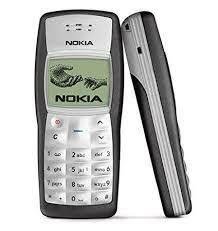
When the Nokia 1100 launched in 2003, it looked almost too simple for the rapidly evolving mobile industry. It had no camera, no internet, no fancy interface and no sleek metallic finish.
But every feature it did have was designed around real-world human behavior. The phone came with a dust-resistant keypad because many consumers lived in environments where dirt and humidity could damage electronics easily. It had anti-slip sides for better grip. The battery lasted for days because electricity access was inconsistent in many regions. And perhaps most memorably, it included a built-in flashlight, a tiny feature that became unexpectedly iconic in countries dealing with frequent power cuts. The Nokia 1100 was not designed in a lab disconnected from reality. It was designed around everyday life.
And that understanding translated into unprecedented success. Within just five years, the Nokia 1100 sold nearly 250 million units globally, becoming not only the world’s best-selling mobile phone, but also the highest-selling consumer electronics device in history. In 2005, Nokia’s billionth phone sold worldwide was reportedly a Nokia 1100 purchased in Nigeria, a symbolic moment that perfectly reflected the brand’s dominance across emerging markets..
Nokia’s Marketing Didn’t Sell Technology. It Sold Trust.
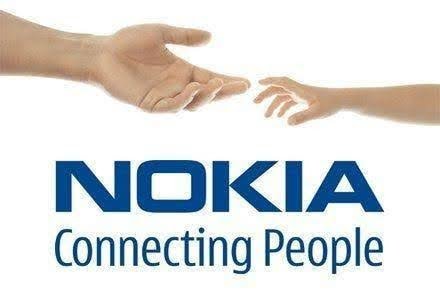
One of Nokia’s greatest strengths during that era was that its communication never felt intimidating. While other tech brands tried to appear futuristic and premium, Nokia felt familiar, and human. Its famous tagline, “Connecting People,” was not just branding, it reflected the company’s entire philosophy.
Nokia advertisements rarely focused aggressively on specifications. Instead, they focused on emotions:
- staying connected to family
- accessibility
- dependability
- simplicity
- togetherness
The brand understood something incredibly important long before emotional marketing became a buzzword; people do not emotionally remember features, they remember experiences.
In India especially, Nokia became deeply woven into everyday life. The brand was trusted across generations. Parents bought Nokia phones for children going to college. Small business owners relied on them daily. First-time mobile users preferred Nokia because it felt uncomplicated.
The company did not need to scream innovation. Its consistency became the marketing.
The Real Masterstroke Was Distribution
Nokia’s dominance was not built only through advertising campaigns. It was built through availability. At a time when many global companies still focused heavily on urban consumers, Nokia aggressively expanded into smaller towns and developing markets. Its phones were available everywhere… local electronics shops, railway market stalls, neighborhood retailers, and tiny mobile repair stores.
That accessibility gave the company enormous power because for emerging consumers, convenience creates trust.
A Nokia phone was easy to buy, easy to repair, easy to replace, and easy to understand. The brand removed friction from the consumer experience long before customer-centricity became a corporate buzzword.
Then Came The Craze
Very few tech products become emotional artifacts. The Nokia 1100 did.
People customized ringtones obsessively, Played Snake for hours and memorized keypad typing patterns faster than keyboards.
The phone became part of daily rhythm. But what truly transformed the Nokia 1100 into a cultural phenomenon was its legendary durability. Stories about Nokia phones surviving impossible falls became part of internet folklore even before meme culture fully existed.
People joked that Nokia phones never break, walls break before Nokia phones do and Nokia batteries last forever. The exaggeration itself became free marketing. And once consumers start creating myths around a product, the brand has crossed into culture.
That is exactly what happened with Nokia. The phone was no longer just a device people used, It became a memory people shared.
But Then The Industry Changed Faster Than Nokia Did
The same company that once understood people better than anyone slowly became trapped by its own success. As the late 2000s approached, phones were no longer just communication tools. They were transforming into entertainment devices, internet platforms, cameras, music players, and eventually extensions of identity. The arrival of smartphones completely changed consumer expectations.
Suddenly people wanted touchscreens, app ecosystems, internet browsing and multimedia experiences.
Companies like Apple understood that software would define the future of mobile phones. The launch of the iPhone fundamentally shifted how consumers interacted with technology.
Nokia, however, struggled to adapt. The company continued relying heavily on the strengths that had once made it unbeatable hardware durability, battery life, physical keyboards, and familiar operating systems. But the market had emotionally moved on and in technology, emotional shifts matter more than legacy.
Nokia’s Biggest Strength Slowly Became Its Biggest Weakness
For years, familiarity made Nokia powerful. But familiarity can become dangerous when industries evolve rapidly. Consumers who once valued simplicity were now chasing experience. Phones were no longer utility products alone, they were aspirational lifestyle devices. Nokia underestimated how quickly that transformation would happen. The company that once led the mobile revolution suddenly started looking outdated beside touchscreen smartphones and app-driven ecosystems. Its decline was not immediate. It was gradual and almost symbolic.
The brand that had once represented the future slowly became a reminder of the past.
Yet, the Nokia 1100 remains one of the greatest marketing stories ever because its success was never really about technology. It was about understanding people.
The Nokia 1100 succeeded because it solved real problems without trying too hard to appear revolutionary. It respected everyday realities instead of forcing futuristic behavior onto consumers. In many ways, it represented an era when products earned loyalty not through endless upgrades, but through reliability.
And that is why decades later, people may forget specifications, launch dates, or technical details but they still remember the feeling of holding a Nokia phone in their hands.