
Some Indian brands are remembered because they were everywhere. Vicco is remembered because people can still recall its advertising decades later.
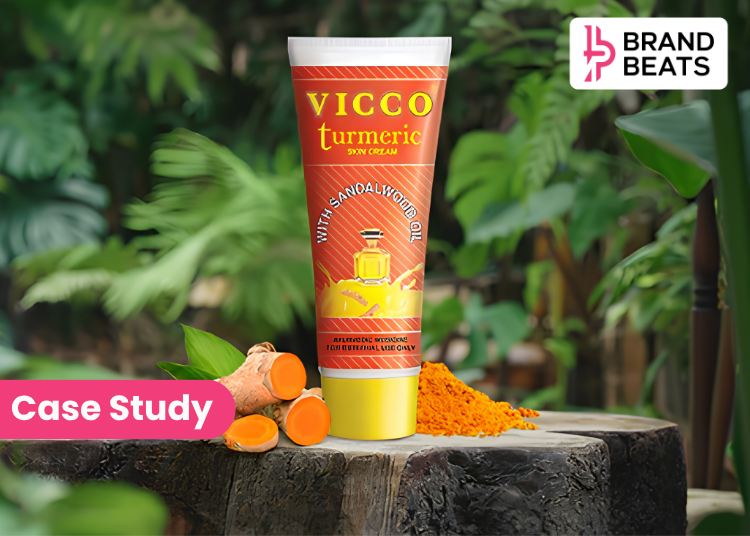
The yellow Vicco Turmeric tube, the Vajradanti name, and the unmistakable jingle became part of Indian popular culture, helping a family-run Ayurvedic company compete in categories dominated by modern cosmetics and oral care brands.
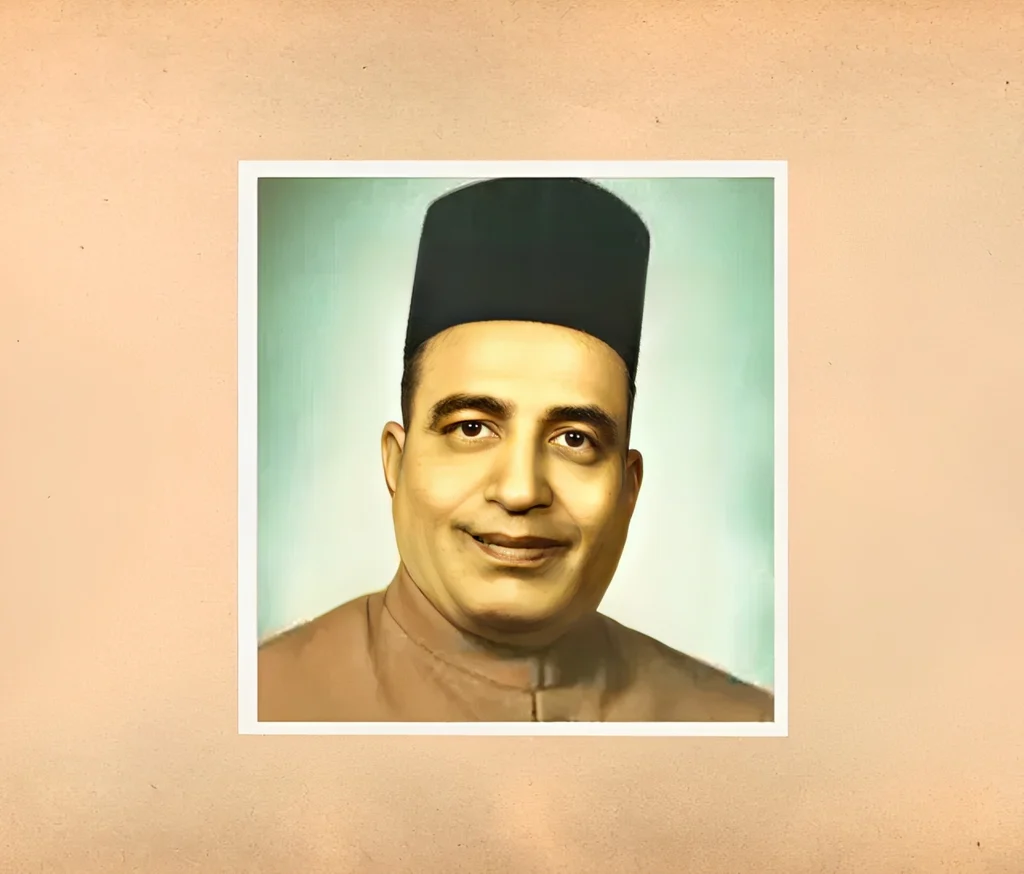
Vicco Laboratories was established in 1952 by Keshav V Pendharkar. His son Gajanan Keshav Pendharkar joined the business in 1959 and later took charge after his father died in 1971.
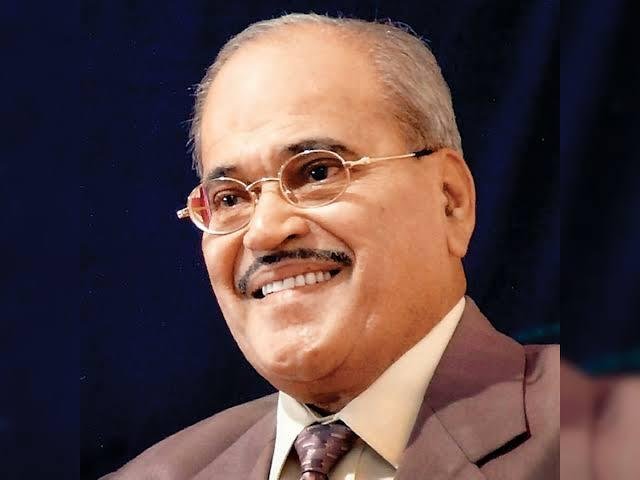
According to Vicco, Gajanan Pendharkar formulated Vicco Vajradanti, an Ayurvedic dental paste made with 20 medicinal herbs, helping turn traditional Ayurvedic knowledge into a packaged consumer product.
From A Small Factory To A National Brand
Commercial production began in 1955 at a small factory in Parel, Bombay. The company moved to Dombivli in 1968 and eventually expanded manufacturing to Nagpur in 1982, as demand grew in India and overseas. This gradual expansion gave Vicco the production base needed to turn a regional Ayurvedic business into a much larger consumer brand.
One of Vicco’s most important products was Vicco Turmeric Skin Cream, introduced in the company’s official timeline in 1975.
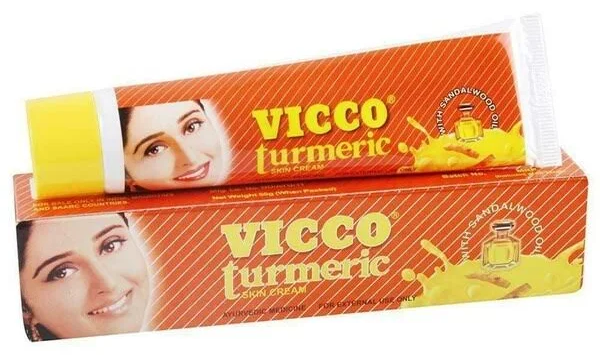
The product stood out because it entered a market where conventional beauty creams were already familiar, while turmeric was deeply associated with Indian skincare and wedding rituals. Vicco effectively turned a culturally familiar ingredient into a recognisable packaged beauty product.
There is an interesting difference in historical accounts here.
Company materials date the product introduction to 1975, while other accounts from Vicco leadership date its launch to 1965. Rather than ignoring the discrepancy, it is more useful to treat the 1960s as the period when the product and its early promotion began to take shape, with 1975 marking the company’s formal milestone.
Vicco Did Not Start With Television
Vicco’s early marketing was remarkably practical. Between 1965 and 1970, the company promoted its products in villages using rickshaws fitted with microphones and loudspeakers, announcing the product and its uses directly to consumers.
It later explored All India Radio before moving into cinema and television, showing how the company followed available mass media rather than depending on one advertising platform.
Cinema became an important bridge between local advertising and national recognition.
Vicco produced advertising films that were screened in theatres, where audiences were already gathering in large numbers. The company later adapted its approach for international markets too, using video cassettes containing Bollywood films because Indian audiences overseas commonly watched those movies.
The Jingle That Became The Brand
Vicco’s biggest marketing asset was its jingle. The phrase ‘Vicco Turmeric Nahi Cosmetic’ turned a product distinction into something consumers could easily repeat, remember and recognise. Instead of relying on a complicated product explanation, the advertising repeatedly connected Vicco Turmeric with Ayurveda, creating a simple mental association that lasted far beyond individual campaigns.
The company was already experimenting with jingles in the 1970s, including communication around Vicco Turmeric and Vicco Vajradanti. The later version of the famous turmeric jingle was developed during the period when Vicco was defending its Ayurvedic positioning, effectively turning a commercial message into a statement about what the product represented.
Turning A Business Dispute Into Brand Memory
Vicco’s positioning was not just an advertising invention.
The company became involved in a long dispute with the Central Excise authorities over whether products such as Vicco Turmeric and Vicco Vajradanti should be classified as Ayurvedic products or cosmetics. The legal battle continued for years and eventually reached the Supreme Court, with the company maintaining that the products were Ayurvedic.
That dispute gave Vicco a powerful communication territory. The line about not being a cosmetic transformed a technical classification issue into consumer-friendly brand language. It told customers exactly where Vicco wanted to sit in their minds: not simply another beauty or oral care company, but a brand rooted in Ayurveda.
Yeh Jo Hai Zindagi And The Doordarshan Advantage
Vicco understood the power of television at exactly the right moment. In 1984, it became associated with the popular Doordarshan sitcom ‘Yeh Jo Hai Zindagi’, placing its advertising around a programme that attracted large family audiences.
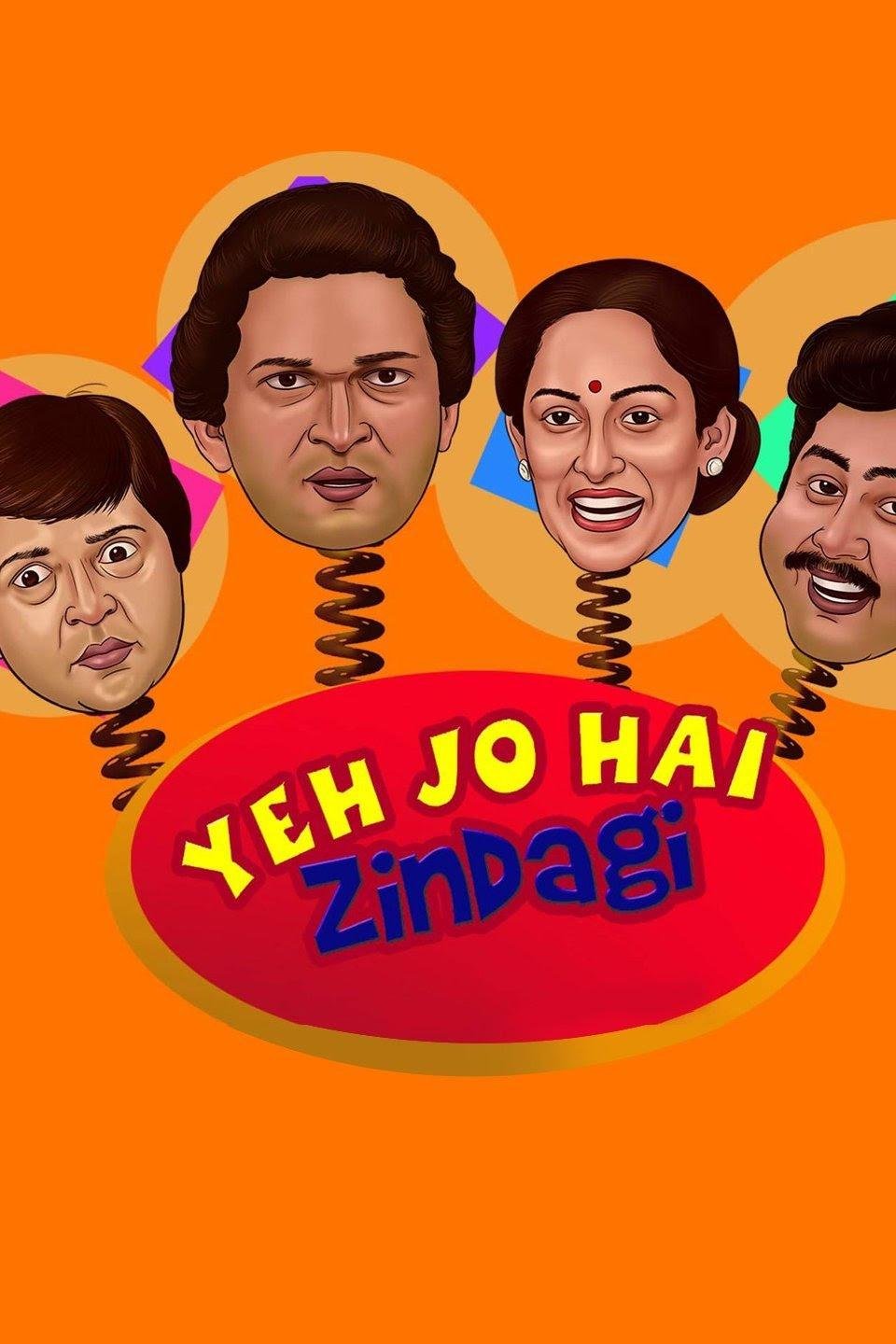
At a time when Doordarshan dominated television viewing, this gave Vicco repeated exposure at a scale few other channels could offer.
The famous advertisements also used storytelling rather than simply displaying the product.
One early campaign featured Sangeeta Bijlani in a wedding setting, using the emotional importance of marriage and the familiar haldi ritual to connect turmeric with skincare. Another important face was Mrinal Kulkarni, who featured in the advertising associated with the iconic Vicco Turmeric communication.
The wedding setting was especially effective because the brand did not need to educate consumers about turmeric from scratch. Haldi already had cultural meaning. Vicco simply inserted its product into that existing story, linking a familiar tradition with a commercial skincare routine and giving the product greater emotional relevance.
Vicco Vajradanti Built Another Category
Vicco did not depend entirely on turmeric cream. Vicco Vajradanti became another major pillar of the business and helped establish the brand in oral care. Its Ayurvedic positioning and memorable advertising gave Vicco a second product that consumers could associate with everyday use, widening the brand beyond skincare.
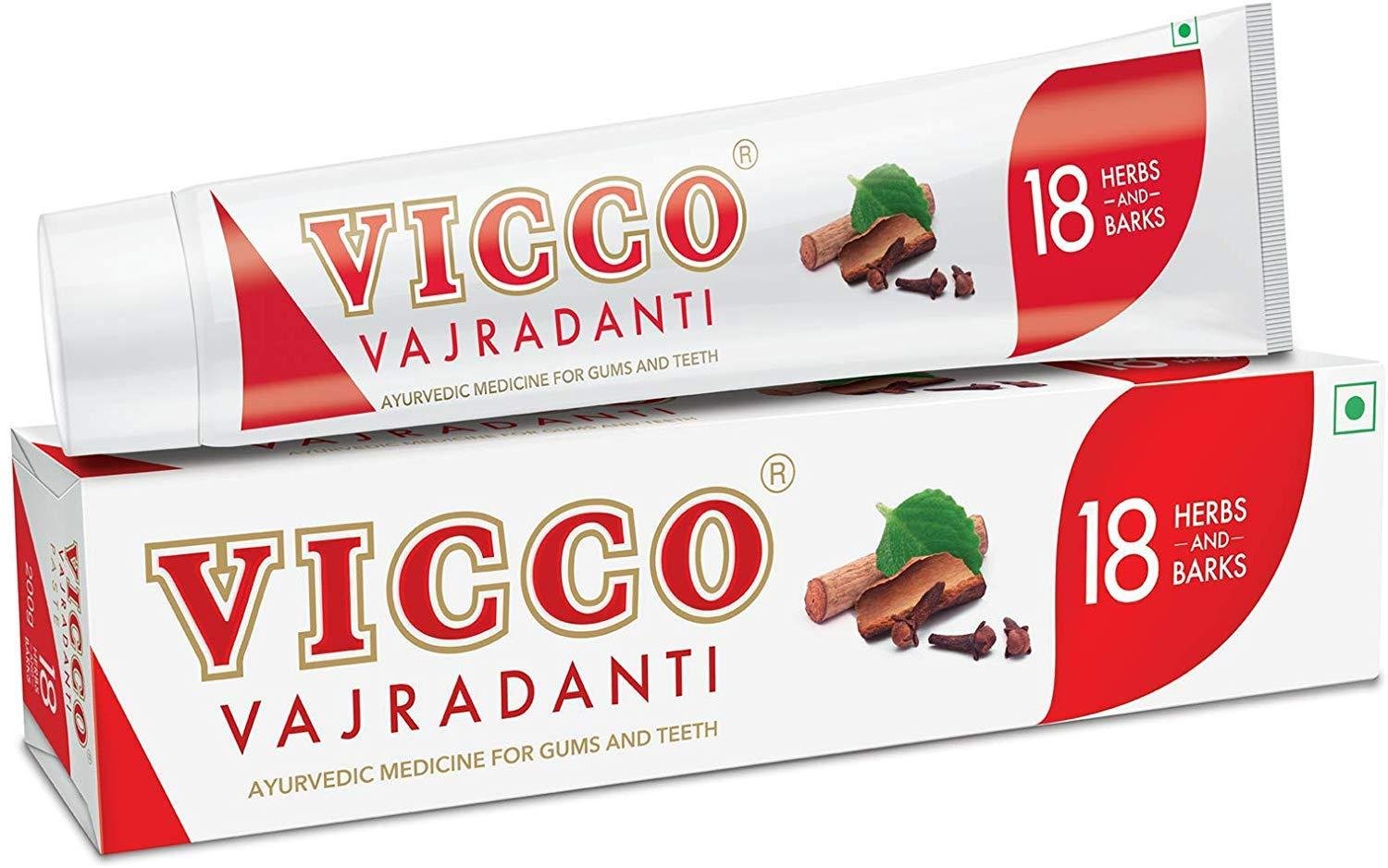
This was strategically important because it created a portfolio around one central idea.
Vicco could enter skincare, oral care and later other personal care categories without abandoning its core association with Ayurveda. The company eventually expanded into products including moisturisers, face washes, shaving cream and pain relief solutions.
Local Languages, Global Ambition
Vicco also adapted its advertising for different parts of India. Its commercials and jingles were dubbed into languages including Tamil, Malayalam, Kannada, Telugu, Bengali, Gujarati, Marathi and others, allowing the core message to remain familiar while making the advertising more locally accessible.
The international strategy followed a similar logic.
Vicco expanded its export footprint over time and says it became the first Indian company to export its products to Iceland in 1994. A Goa manufacturing facility followed in 1996, while the company’s factories supported both domestic demand and exports across markets including North America, Europe, the Middle East, Australia and the West Indies.
Keeping A Legacy Brand Young
The bigger challenge for Vicco came much later.
A brand built through television jingles and traditional advertising had to remain relevant as Indian consumers moved towards digital platforms and younger audiences. In 2019, Vicco appointed Alia Bhatt as the face of Vicco Vajradanti and brought in Sourav Ganguly as another brand ambassador, signalling a deliberate effort to refresh the brand’s cultural relevance.
That evolution continued in 2024, when Vicco unveiled new packaging for Vicco Turmeric Skin Cream and launched a new television campaign featuring Raveena Tandon. The move was revealing because the company changed the presentation without abandoning the product’s established identity.
What Makes The Vicco Marketing Strategy Interesting
Vicco’s marketing success came from repeatedly reinforcing one clear idea through different formats. Rickshaws created local awareness, radio widened reach, cinema created mass visibility, Doordarshan built national familiarity and jingles created memory.
Each channel added another layer without forcing the brand to constantly reinvent its identity.
The company also benefited from unusually strong consistency. Its products, Ayurvedic positioning, yellow turmeric association, cultural storytelling, and jingles all supported the same basic message.
That consistency helped turn advertising into brand memory, which is much harder for competitors to copy than a temporary promotional campaign.
BrandBeats’ Take
Vicco shows that great brand building is often about consistency, not constant reinvention. By owning Ayurveda and repeating that idea through memorable jingles, cultural storytelling, regional advertising and changing celebrity faces, Vicco kept its identity recognisable across generations. Build a distinctive idea around a genuine product strength and keep reinforcing it long enough for it to become part of popular memory.
FAQs
- What is Vicco famous for?
Vicco is famous for its Ayurvedic personal care products, especially Vicco Turmeric Skin Cream and Vicco Vajradanti.
- When was Vicco started?
Vicco Laboratories was founded in 1952 by Keshav V Pendharkar.
- What is Vicco Turmeric used for?
Vicco Turmeric is an Ayurvedic skin cream associated with skincare and the traditional use of turmeric.
- Why is the Vicco Turmeric advertisement famous?
Its catchy Vicco Turmeric Nahi Cosmetic jingle became one of the most memorable advertising lines in India.