

It started with a sick child
The Vicks story does not begin with a marketing plan or a corporate strategy.
It begins with a father worried about his sick son. In 1894, pharmacist Lunsford Richardson created a salve after his young son Smith developed a severe case of croup.
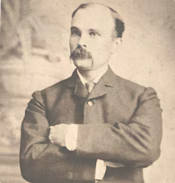
Richardson combined ingredients into a salve that released soothing vapours when warmed by the body. Smith soon recovered, and Richardson realised that other families could benefit from the remedy too. The product, originally called ‘Croup and Pneumonia Salve’, would eventually become Vicks VapoRub.
That origin story became much more than brand history. It gave Vicks a simple idea to build around: when someone you love is sick, you want to do something to help.
More than 130 years later, that idea remains central to the brand.
So where did the name Vicks come from?
Here is the first unexpected detail in the Vicks story. Richardson did not name the brand after himself. He was an avid gardener and noticed an advertisement for Vicks Seeds.
He liked the name because it was short, easy to remember and looked good on a label. There was also a personal connection. His brother-in-law, Dr Joshua Vick, was a respected local doctor and trusted member of the community.
Richardson received permission to use the family name.
It turned out to be a pretty good branding decision. Vicks was simple, memorable and easy to recognise. A name spotted in a seed advertisement would eventually become one of the most familiar names in cold and cough care.
How VapoRub became the hero product
Richardson had created 21 remedies, but Croup and Pneumonia Salve became the standout. The product had something especially distinctive: noticeable vapours.
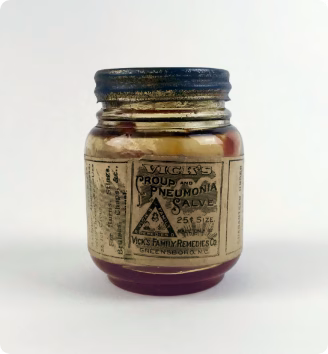
Smith Richardson understood the importance of that experience. In 1911, he recommended changing the name to VapoRub. The product also moved into the familiar blue jar, creating two assets that would become closely associated with the brand.
This was an early example of sensory branding. Consumers did not simply hear about VapoRub. They could smell it and experience its vapours. Vicks would continue building around this idea for decades, making relief something consumers could experience rather than simply being told about.
Vicks was sampling before sampling was cool
One of the most fascinating parts of the Vicks marketing story came in 1917. Changes to United States postal rules allowed mail to be sent to rural addresses without naming the individual recipient.
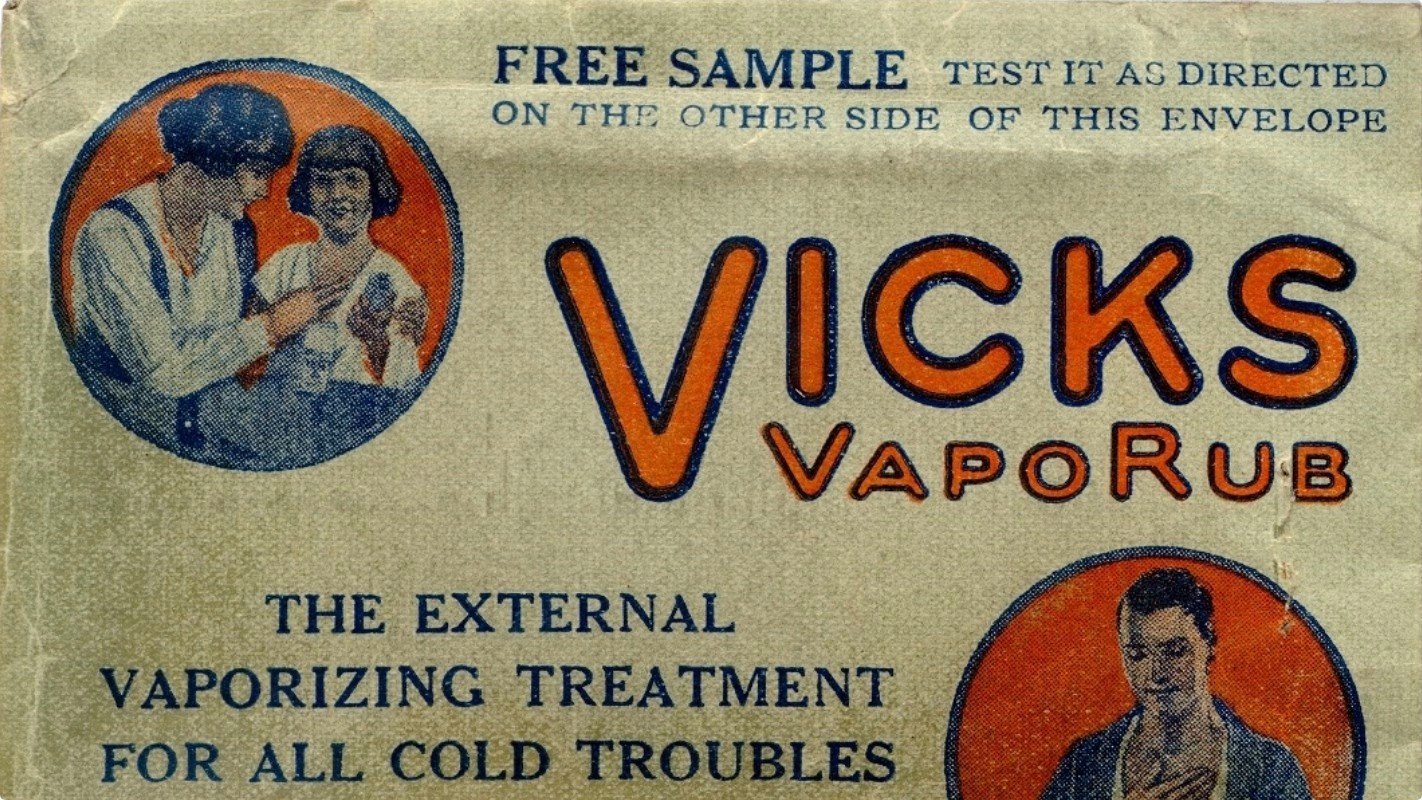
Vicks used the opportunity to send millions of VapoRub samples directly to mailboxes. The idea was simple: let people experience the product before asking them to buy it. For VapoRub, this made perfect sense. Smell and vapour were central to the product experience, so trying it was far more persuasive than simply reading about it.
In modern marketing language, Vicks was effectively using experiential marketing more than a century ago. It reduced the barrier to trial and turned the product itself into the sales pitch.
Vicks turned medicine into a bedtime story
Vicks had another clever idea in 1925. It published a storybook featuring two elves named Blix and Blee. The book was designed for mothers to read to children who were sick in bed.
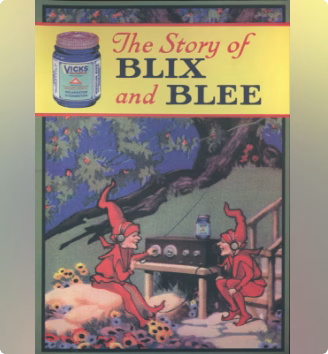
In the story, Blix and Blee would rush to the child’s bedside carrying a jar of VapoRub. It sounds charming, but there was smart marketing thinking behind it.
Children were experiencing the illness, while parents were often making the purchase. The story connected with both audiences and placed VapoRub inside a comforting family moment.
It was an early form of content marketing. Instead of interrupting a family experience with an advertisement, Vicks became part of the experience itself.
From one remedy to the entire sick day
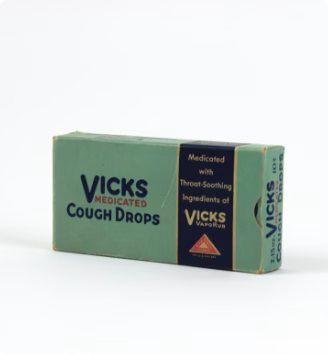
Vicks did not stop with VapoRub. During the 1930s, it introduced medicated Vicks Cough Drops and its Vicks Plan for better control of colds. The cough drops made relief portable, while the plan combined advice with products.
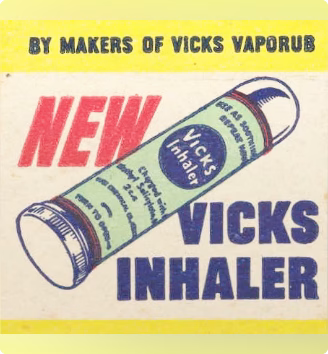
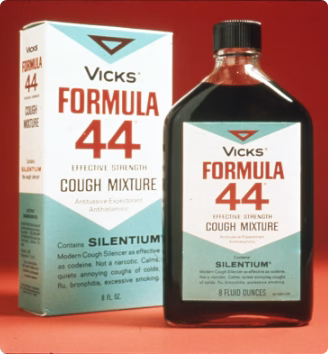
The VapoInhaler followed in 1941, bringing the familiar Vicks vapours into a pocket sized format. During the 1950s, the company expanded its research and development capabilities and introduced cough syrups designed to provide relief without narcotic ingredients such as codeine.
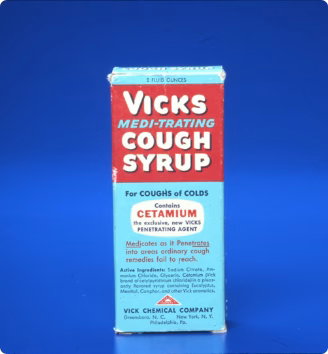
Formula 44 arrived in 1958, followed by Sinex Nasal Spray in 1959. The strategy was becoming clear. Vicks was building a portfolio around the different problems people experience during a cold.
Then NyQuil changed the medicine cabinet
NyQuil became one of the biggest innovations in Vicks history when it launched in 1966. Before NyQuil, families often needed different medicines for congestion, coughs, sore throats, aches and other symptoms.
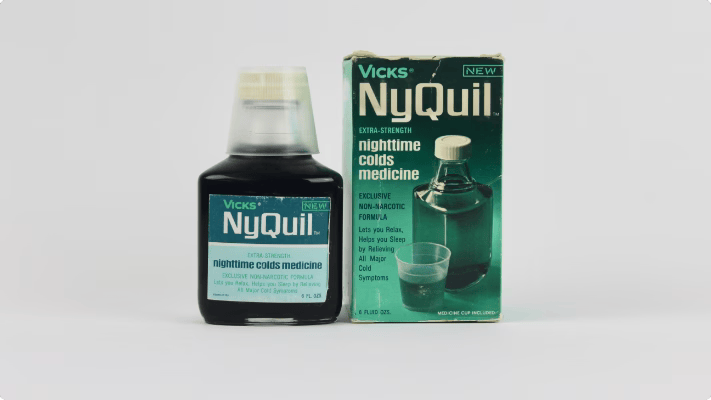
NyQuil brought multi-symptom relief into one liquid product. Instead of managing several medicines, consumers had one product designed to address multiple symptoms.That was more than a product launch. Vicks had identified an everyday frustration and simplified it. The brand was no longer just selling relief. It was selling convenience.
NyQuil also introduced an important idea: sleep as part of recovery.
Its nighttime positioning connected symptom relief with the need to rest when sick.
The liquid format came with a dosing cup, while its warming sensation and soothing effect on the throat reinforced the Vicks idea of relief you can feel.
The name and advertising became memorable
The exact origin of the NyQuil name has become something of a brand legend. It is commonly associated with nighttime tranquility, fitting the product’s focus on nighttime relief and sleep.
Then came one of the most memorable pieces of advertising language in the category. In 1979, the famous nighttime line, “The nighttime sniffling, sneezing, coughing, aching, stuffy head…medicine,” was first used to position NyQuil as medicine that lets consumers rest.
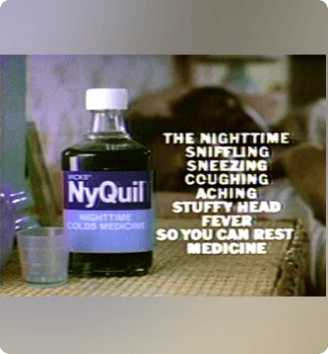
It worked because it sounded like the consumer’s actual night. Instead of complicated medical language, the brand described an experience people already knew.
DayQuil completed the picture
Vicks eventually created the daytime counterpart. Originally launched as DayCare in 1976, the product was later renamed DayQuil in the early 1990s.
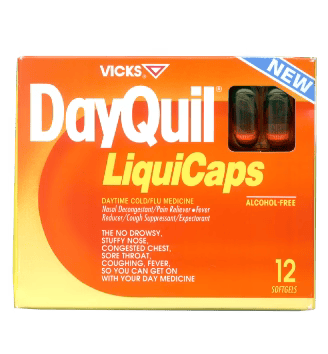
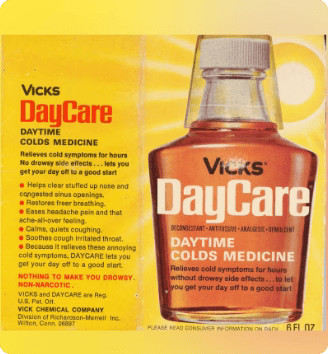
Now Vicks could own two distinct moments. NyQuil belonged to the night, while DayQuil was designed for consumers who wanted relief during the day without drowsiness.
That was smart brand architecture. Vicks did not need to build an entirely new relationship with consumers. It simply extended an existing one into another occasion.
The products later moved into LiquiCaps, giving consumers a different format while retaining the equity of the familiar names.
Building a family of brands
The expansion continued. Children’s NyQuil was introduced in 1988, BabyRub arrived in 2004 and ZzzQuil entered the sleep aid category in 2012.
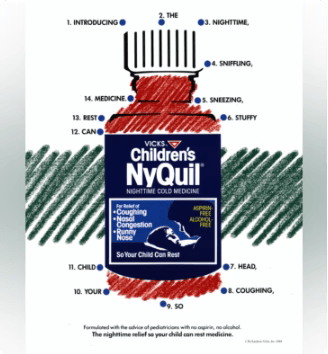
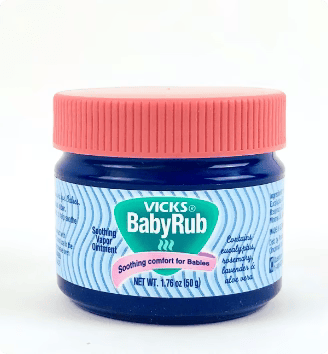
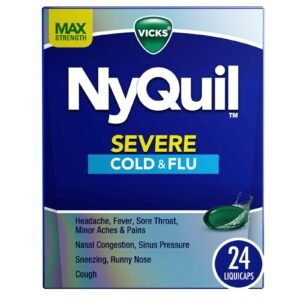
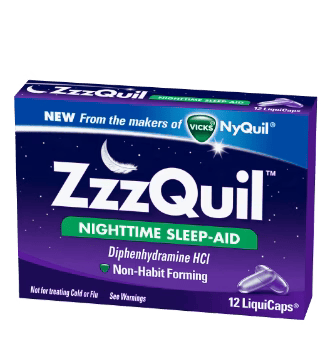
DayQuil and NyQuil Severe followed in 2013, while VapoCOOL arrived in 2018. Each product gave Vicks another opportunity to address a specific consumer need.
The important part is that the brand did not lose its original identity while expanding. The products changed, but the underlying role stayed familiar: helping families care for someone who was not feeling well.
Why the Vicks marketing strategy worked
Vicks did not build its legacy through one big campaign. It built it through a series of decisions that reinforced the same idea.
The founder story created authenticity. Sampling created product trial. Blix and Blee created emotional familiarity. Sensory branding created memory. Product innovation created new reasons to choose the brand.
Its visual identity helped too. The red triangle became a major Vicks symbol through much of the twentieth century, while the current logo was introduced in 1994. The blue VapoRub jar and distinctive smell became equally powerful brand assets.
The result is a brand people can often recognise without seeing the full name. Vicks became associated with a particular feeling, smell and family experience.
The legacy of Vicks
Vicks began with one father trying to help his sick son and grew by turning that simple act of care into a lasting brand idea. From VapoRub to NyQuil and DayQuil, Vicks kept adapting its products to different moments of illness while staying rooted in care, trust and relief.
Its legacy comes from changing how it delivered that promise without changing what the brand stood for. What started as one family remedy eventually became a family of brands built around helping families feel better.
BrandBeats’ Take
Vicks shows that the best marketing does not always start with a campaign. It can start with a real consumer problem. From letting people experience VapoRub through sampling to simplifying multiple cold symptoms with NyQuil, Vicks repeatedly turned everyday friction into product and marketing opportunities. The lesson for brands is simple: solve something people genuinely struggle with, and let the experience do the marketing.
FAQs
- What is Vicks known for?
Vicks is best known for VapoRub and its range of cold, cough and congestion relief products
- When was Vicks founded?
Vicks began in 1894 when pharmacist Lunsford Richardson created remedies for his community.
- Who founded Vicks?
Vicks was founded by Lunsford Richardson, who created VapoRub after his son suffered from croup.
- Why is it called Vicks?
Lunsford Richardson chose the name after seeing an advertisement for Vicks Seeds and liking its short, memorable name.