
Today, if you walk into almost any app, you will see the same quiet trick at work.
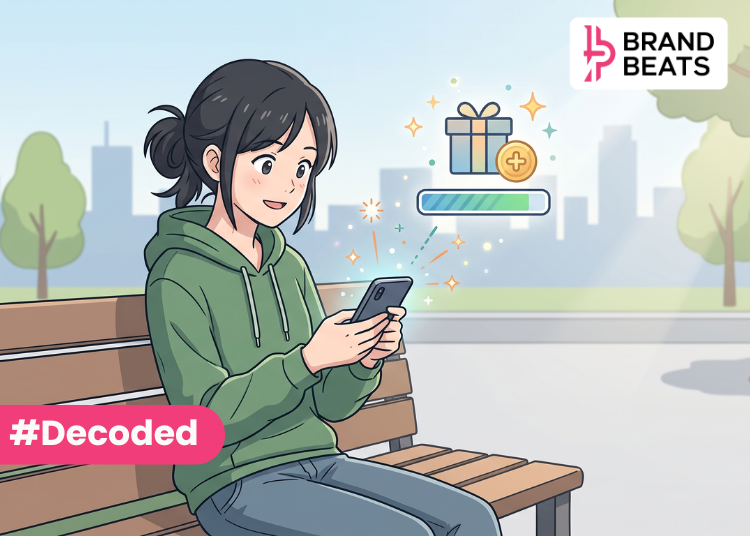
A small reward appears now, while a bigger reward waits later. Most people do not pause to think about it. They click, swipe, buy, or subscribe because the brain likes the feeling of getting something immediately.
That is the heart of hyperbolic discounting in marketing psychology. It describes the tendency to value smaller, immediate rewards more than larger future rewards.
In simple terms, now feels more real than later.
Brands understand this very well, and many of them design offers, pricing, and product experiences around that instinct.
And that is called Hyperbolic Discounting, a behavioural bias, not a random shopping habit. When a reward is close, people often treat it as more valuable than a bigger reward that comes later, even when the later reward is objectively better.
This is why instant cashback can feel stronger than a larger discount that arrives next month.
The effect is powerful because the human brain is built to respond to immediacy.
Future rewards are abstract. Present rewards are concrete. A customer can picture free delivery today, a wallet credit right now, or a reward point that appears instantly.
That makes the offer easier to trust and easier to act on.
Why Brands Care About It
For brands, hyperbolic discounting is useful because it shortens hesitation.
The longer a customer has to wait, the more likely doubt enters the picture.
Immediate value reduces friction and makes the decision feel lighter. It can also improve conversion because the customer feels rewarded before they have time to overthink.
This is why marketing teams use instant perks, not just big promises. They know that the moment of purchase is fragile. If a brand can make the reward feel immediate, the customer is more likely to move forward.
The tactic is not about manipulation alone.
It is about reducing the mental gap between desire and action.
How Brands Use Hyperbolic Discounting
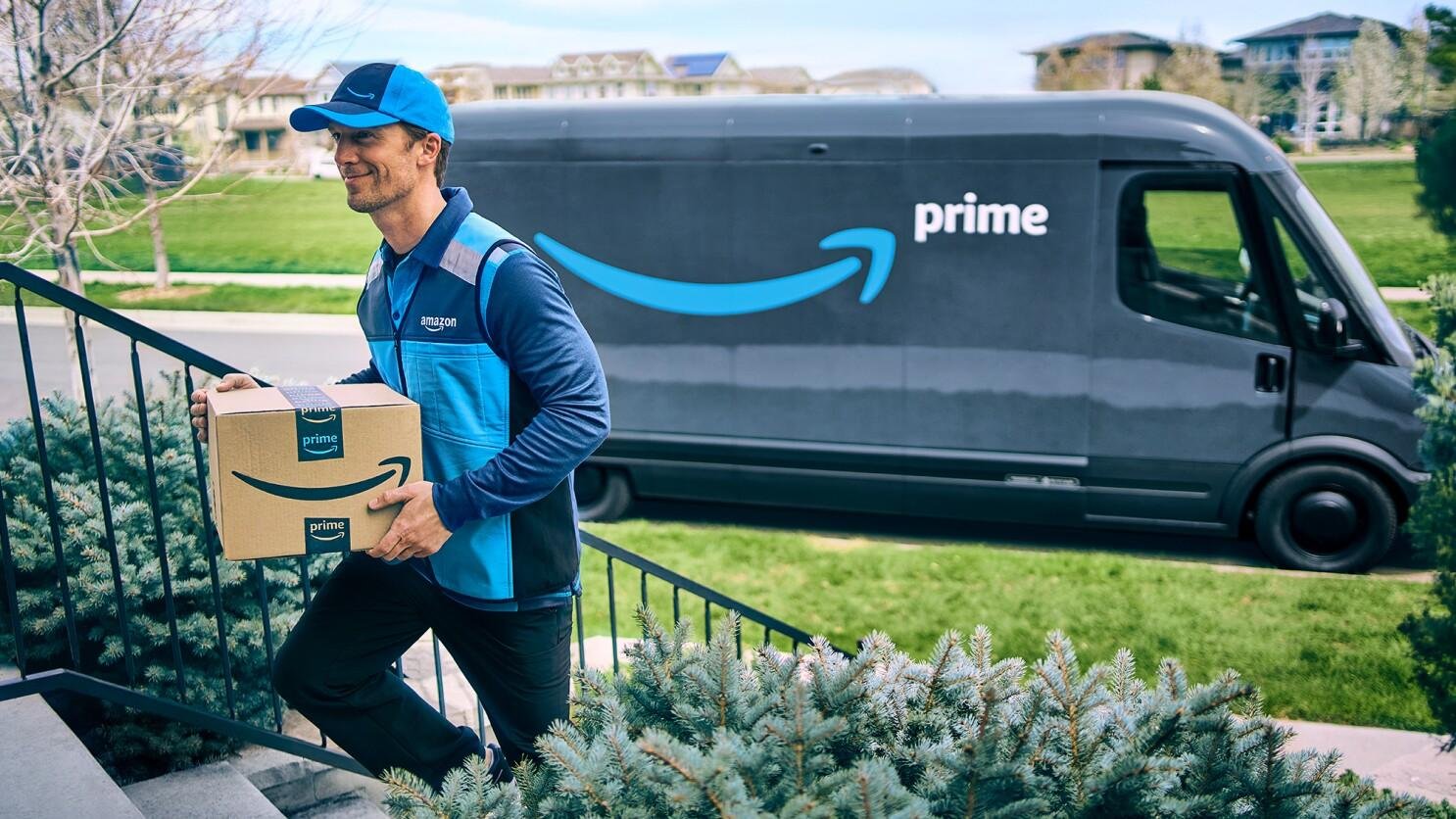
Amazon has mastered this psychology in many small ways. ‘Same day delivery’, ‘fast checkout’, and ‘immediate order confirmation’ all create the feeling that the reward is arriving now.
Even when the product is physical, the customer gets an instant emotional payoff because the purchase feels complete immediately.
Swiggy and Zomato use the same logic through speed. Food is not just about taste.
It is about reducing waiting time to almost zero. The promise of getting a meal in minutes makes the service feel more valuable than a slower alternative, even if the actual food quality is similar.
The immediate relief is part of the product.
Uber and ride-hailing apps also rely on this effect.
The user wants movement now, not later. The brand does not sell transport in the abstract. It sells instant access to convenience. That immediacy matters because the consumer is often making a decision in a moment of need, not after careful comparison.
In digital payments, Google Pay, PhonePe, and Paytm often tap into hyperbolic discounting with scratch cards, instant rewards, and quick cashbacks. ‘
A Rs 10 reward that appears immediately can feel more satisfying than a larger promised benefit that comes later.
The brain responds to instant feedback, even when the value is small.
Ecommerce platforms also use this psychology through countdown timers, free shipping thresholds, and reward nudges at checkout. Nykaa, Myntra, and Flipkart often create a sense that action today unlocks a better immediate outcome.
The customer feels that delaying the order means losing a live opportunity, and that pushes faster decisions.
Retail loyalty programs also use the same model.
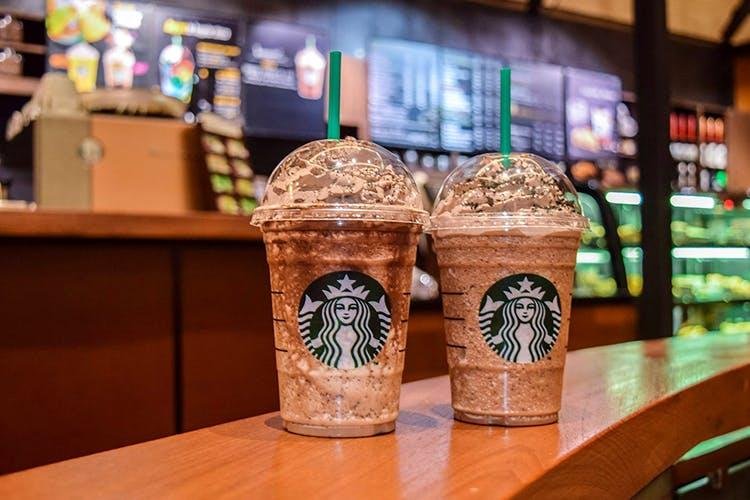
Starbucks Rewards, for example, works because customers can watch points grow and unlock free items. The promise is not just future savings.
It is visible progress.
That progress creates a near term emotional reward, which keeps people coming back more often than they otherwise might.
Why It Works So Well
Now this effect works because people do not evaluate all time periods equally.
A benefit today feels much bigger than the same benefit next month. This is one reason brands often prefer immediate discounts over delayed offers. The customer may technically gain the same amount, but the feeling is not the same.
The psychology also connects to uncertainty.
A future reward feels less certain, even when the brand promises it.
An immediate reward removes doubt. The customer sees the benefit, feels it, and mentally counts it as real. That makes the offer more persuasive than a distant promise that has to be remembered later.
The Smart Use of the Effect
The best brands do not use hyperbolic discounting in a crude way. They do not simply shout buy now all the time. Instead, they create structured immediacy.
They give customers instant savings, fast access, visible progress, or quick confirmation.
Apple uses this in a refined form through ease of setup, clean purchase flow, and instant product gratification once the device is in hand.
The buying process is simple, and the experience begins quickly.
The reward does not feel delayed by complicated steps, which strengthens the emotional payoff.
McDonald’s and other fast food brands also understand this well.
The promise is not only food. It is food now. In many categories, that is enough to beat a competitor with a better but slower offer.
The sooner the reward arrives, the more attractive it becomes in the consumer’s mind.
The Risk for Brands
There is a downside. If brands overuse immediate rewards, customers can become trained to expect only instant value.
That can hurt long-term loyalty.
It can also reduce perceived quality if the brand looks too focused on quick incentives and not enough on real product strength.
Another issue is that constant urgency can create fatigue. If every offer is a limited-time deal, the customer begins to ignore all of them. The psychology works best when it feels relevant, not repetitive.
Good marketers use immediacy to support the product, not to replace it.
BrandBeats’ Take
Perhaps the bigger shift is that consumers are not becoming less patient, they are becoming more accustomed to immediacy. When everything from payments to food arrives almost instantly, waiting itself starts to feel like a cost. For brands, that makes time part of the value equation.
FAQs
- What is hyperbolic discounting?
It is the tendency to prefer a smaller reward available immediately over a larger reward that requires waiting.
- How is hyperbolic discounting used in marketing?
Brands use instant discounts, cashback, quick delivery, rewards, and immediate access to make offers feel more attractive.
- What is a simple example of hyperbolic discounting?
Choosing Rs 100 cashback today instead of waiting a month for a Rs 150 reward is a simple example.
- Why do people prefer immediate rewards?
Immediate rewards feel certain and tangible, while future benefits can feel less certain or less exciting.
- Which brands use this marketing psychology?
Brands such as Amazon, Swiggy, Zomato, Uber, Starbucks, Google Pay, PhonePe, and Paytm use forms of immediate rewards or convenience in their customer experiences.