
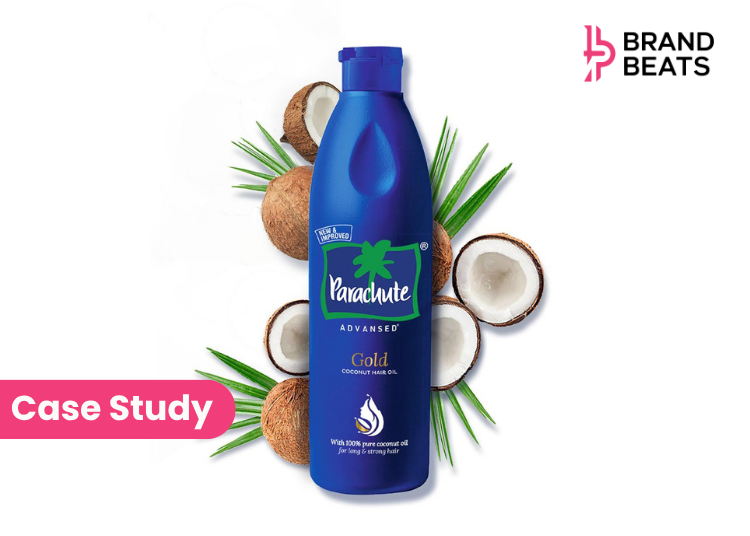
What does it take to turn something as ordinary as coconut oil into a household name?
Parachute did it by making a commodity feel like a brand people could recognise, trust and reach for without thinking twice. Its rise was built on smart packaging, sharp distribution, evolving positioning and a deep understanding of how Indians used hair oil.
Parachute’s bigger achievement was changing how coconut oil was bought.
Instead of remaining a loose commodity sold largely on price, it became a packaged product with a distinct identity. Marico built that identity by improving everything around the product, from its bottle and retail presence to its advertising and expanding range.
The blue bottle became the brand’s most recognisable symbol, but the real advantage was the business system behind it.
From commodity to branded product
When Harsh Mariwala entered the family business in the 1970s, coconut oil was largely sold as a commodity in large tins. The opportunity was not to invent a new product, but to change how an existing product reached consumers.

Marico saw the retail market as a way to shift coconut oil from loose and bulk sales to small, branded packs that could be sold through everyday retail outlets.
That shift also solved a trust problem.
Loose coconut oil offered consumers little control over quality, while packaged oil gave a brand the chance to communicate purity and consistency. Marico used low priced packs to shift loose oil buyers toward branded consumption.
The bottle that changed the business
One of Parachute’s most interesting marketing stories actually began with a packaging problem.
Marico wanted to move away from tin because plastic was more convenient, cheaper, and more attractive on a retail shelf, but earlier attempts by other companies had failed because rats could damage poorly designed plastic containers carrying coconut oil.
Instead of treating the problem as a reason to abandon plastic, Marico redesigned the package.
The company developed a cylindrical container that was harder for rodents to grip and designed the pack to reduce leakage and odour escaping from the bottle. To convince skeptical retailers, the company reportedly demonstrated the packaging with rats and even offered compensation in case the new packs caused losses.
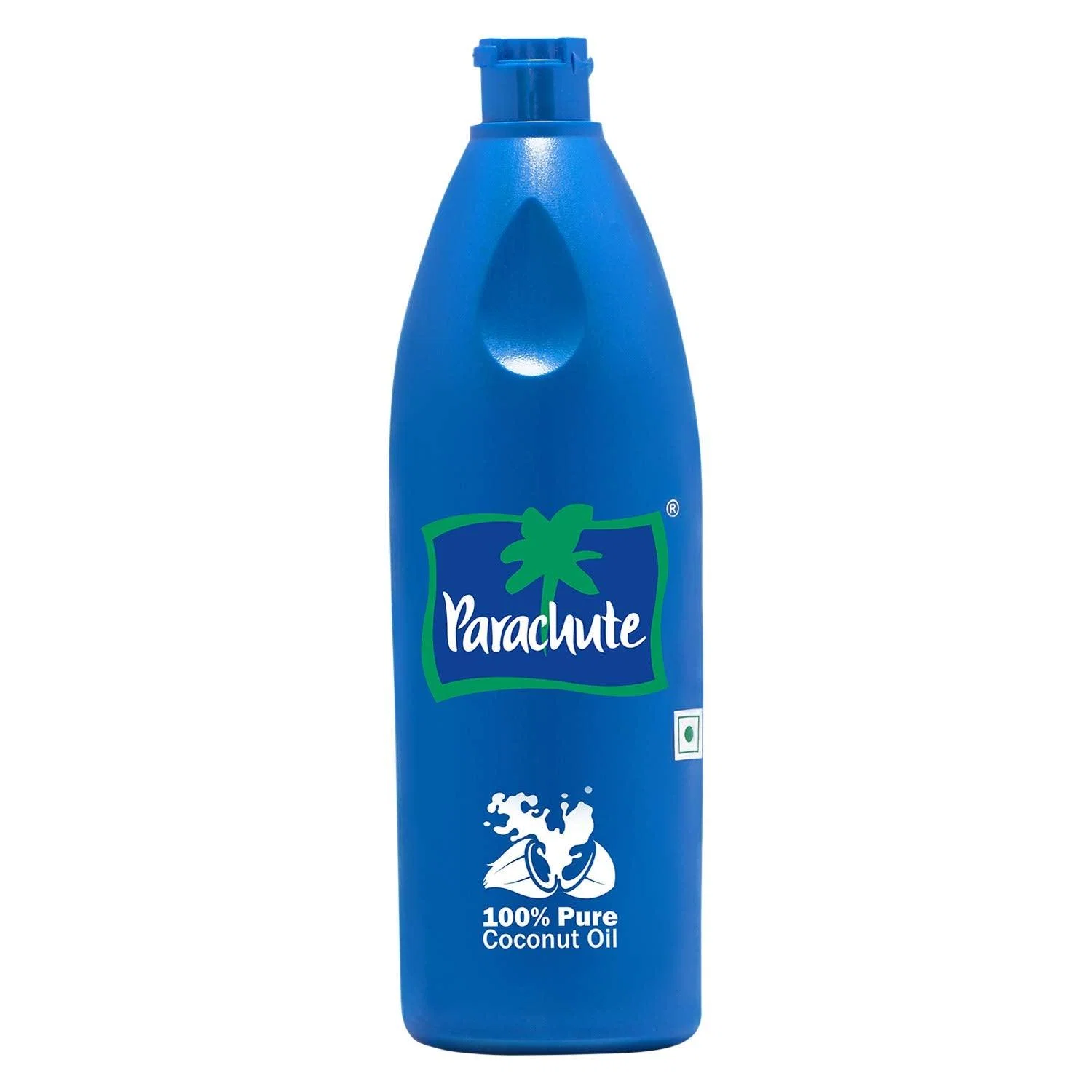
This became more than a packaging improvement. The bottle helped Parachute stand out visually, made pouring easier, and gave the product a consistent physical identity.
Distribution became a competitive advantage
For Parachute, building a brand was not only about advertising. Availability mattered just as much.
Marico invested in a broad distribution network so that the product could reach consumers through everyday retail outlets. The company also used smaller pack sizes to make branded coconut oil easier to try and buy.
This mattered because consumers already understood coconut oil. Marico did not need to explain what the product was. It needed to give them reasons to choose one packaged brand over another.
By the mid 2000s, Parachute had established itself as Marico’s flagship consumer brand.
Making coconut oil feel relevant again
As hair care became more competitive, Parachute faced a different challenge. Coconut oil had strong cultural familiarity, but that same familiarity could make it appear traditional & old-school.
Marico responded by moving beyond the idea of plain coconut oil and developing products aimed at changing consumer needs. Parachute Advansed, launched in 2004, helped the brand present coconut oil as part of a more modern hair care routine.
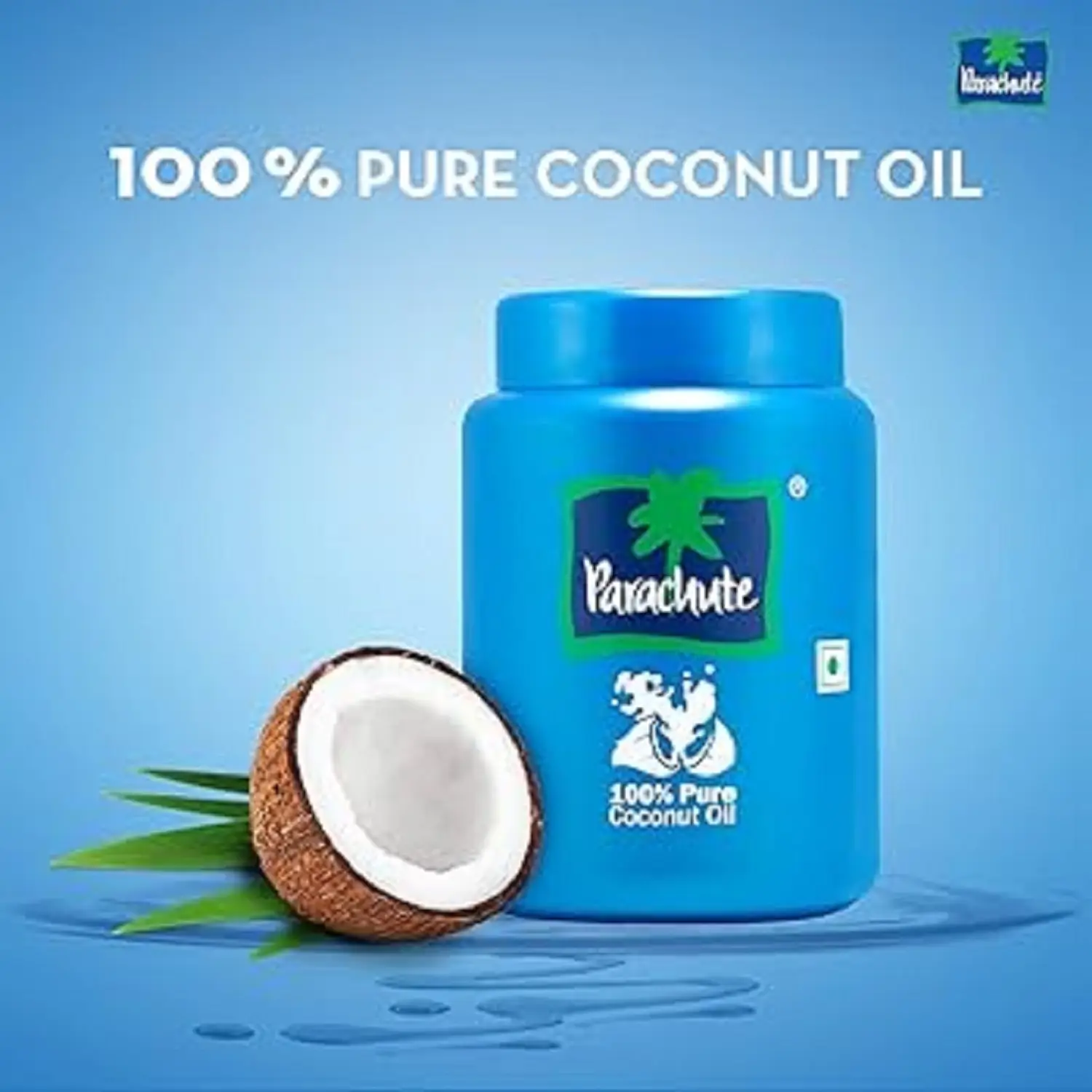
The communication also became broader. Television, radio, outdoor advertising, and on-ground activity helped the brand reach younger consumers while retaining its connection with coconut oil.
Rather than replacing its core proposition, Marico built new reasons to use it.
Different variants addressed concerns such as nourishment, hair fall, shine and convenience, allowing the brand to compete in more specific parts of the hair care market.
Selling the champi, not just the oil
Parachute’s most powerful emotional territory came from something consumers already knew: the champi.
Hair oiling in India has long been connected with family routines and everyday care. Marico used this cultural behaviour as a storytelling device, allowing the brand to move beyond functional claims and associate oiling with relationships.
The 2017 ‘Thoda Love Jatao campaign built directly on this idea, linking hair oiling with expressions of affection. The product remained central, but the story around it became more human.
This gave Parachute an emotional role in the consumer’s mind. The brand was no longer only about what coconut oil did for hair, but also about the familiar moments in which people used it.
Growing the portfolio without losing the core
Parachute’s evolution did not stop with hair oil. The brand continued to introduce products designed around new habits and emerging beauty trends.
In 2024, Marico expanded Parachute Advansed Secrets with variants featuring ingredients such as almond, blackseed, rosemary and onion. The move reflected a broader shift in the hair care market, where consumers increasingly look for products linked to specific hair concerns.
Another example was Coconut Crème Oil. The product and its 2019 Oil Ka Naya Avatar campaign tried to fit oiling into faster modern routines by promoting a shorter pre-wash treatment and using digital communication to reach younger audiences.

The strategy was not to abandon the original Parachute idea. It was to make that idea flexible enough to remain relevant as consumer habits changed.
Regional marketing that felt local
Parachute also recognised that Indian consumers do not respond to one uniform message.
In Tamil Nadu, Marico introduced a regional pack inspired by Kolam designs and communicated its product messaging in Tamil. The approach connected the product with local culture instead of relying only on a national brand identity.
Such localisation helped Parachute make a large national brand feel more familiar in individual markets. Packaging and communication became tools for cultural relevance rather than just brand visibility.
BrandBeats’ Takes
Parachute’s lasting success came from combining smart packaging, wide distribution, smaller packs, emotional storytelling and continuous product innovation. Marico kept the brand rooted in its original equity while adapting it to changing consumer needs, turning the blue bottle into a symbol of a brand that stayed relevant across generations.
FAQs
- What is Parachute?
Parachute is a coconut oil and hair care brand owned by Marico, known for turning coconut oil into a widely recognised packaged consumer brand.
- Who owns Parachute?
Parachute is owned by Marico Limited, an Indian consumer goods company with brands across hair care, foods and personal care.
- When was Parachute Advansed launched?
Parachute Advansed was launched nationally in 2004 to present coconut oil as a more modern hair care product.
- How did Parachute become popular?
The brand combined distinctive packaging, wide distribution, affordable pack sizes and consistent advertising to make packaged coconut oil easier to recognise and buy.
- Why is the Parachute bottle famous?
Its distinctive cylindrical design helped solve practical packaging problems while giving the brand a recognisable identity on retail shelves