

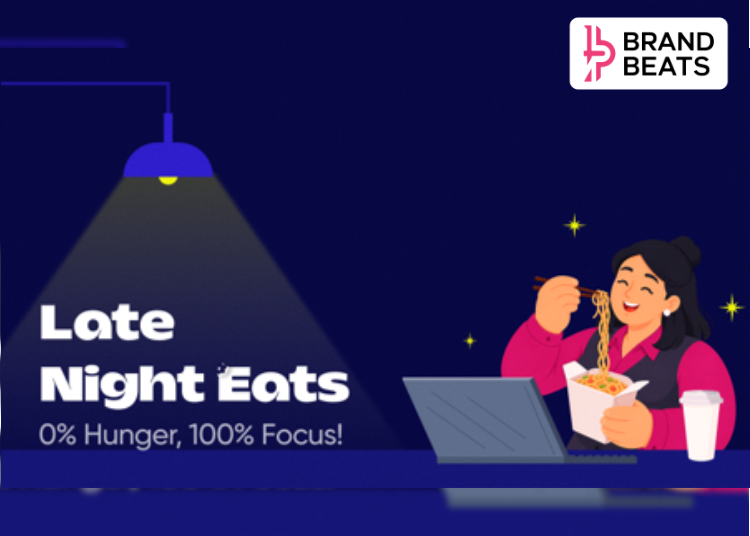
Swiggy has launched ‘Late Night Eats’, a new programme aimed at professionals working late shifts or across global time zones. Available from 10 PM to 5 AM, the service covers over 4,000 office locations and 30,000 restaurants across 30 Indian cities, offering curated meals, discounts, and faster deliveries.
The programme features meal categories such as One-Handed Grabbies, Healthy Nibbles, Sip-tastic Fuel, Stress Munchies, and Teamwork Bites, catering to different late-night dining needs. It also includes the 2 AM Club, a curated list of restaurants that stay open until at least 2 AM. Participating restaurant brands include Burger King, Domino’s Pizza, McDonald’s, KFC, and Subway.
According to Swiggy, 25% of corporate employees at these office locations place food orders after 10 PM while at work. The company also reported double-digit growth in late-night office orders in cities such as Bhubaneswar, Goa, Kochi, Lucknow, Visakhapatnam, and Ahmedabad, indicating increasing demand for late-night food delivery beyond major metro cities.
Speaking on the launch, Deepak Maloo, Vice President- Food Strategy, Customer Experience & New Initiatives, Swiggy, said, “Today, the workplace is evolving rapidly, with professionals increasingly operating across global schedules and extended working hours. We have observed that post 10 PM office orders have increased year-on-year, reflecting the growing role of food during late working hours.”
He further added, “Also, the late-night ordering trend is not only limited to metros, but is fast catching up across corporate hubs in tier-2 cities. With Late Night Eats, we’ve reimagined how food delivery can better serve our customers working the night, through curated food choices, faster delivery, and greater value for their money.”
“As workplace routines continue to evolve, we see an opportunity to make late-night dining more accessible, relevant, and rewarding for professionals across India. We will continue to scale Late Night Eats through expanded restaurant participation, deeper coverage across office hubs, and continued innovation tailored to the evolving needs of India’s always-on workforce,” he added.