

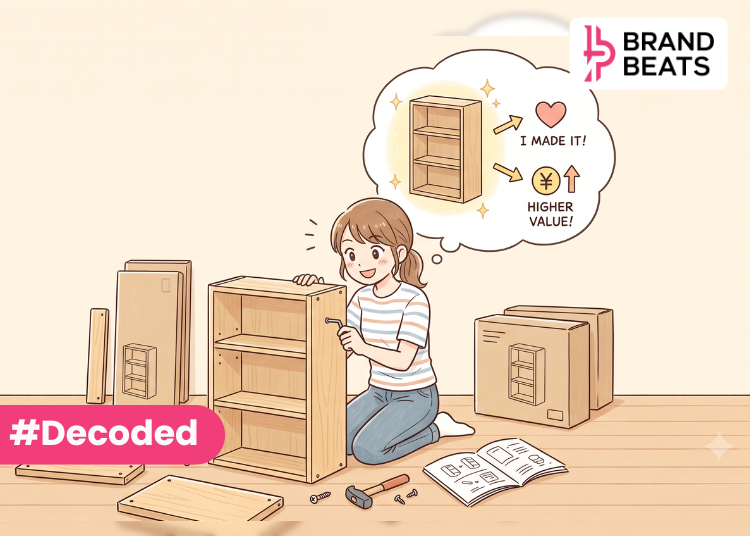
Ever noticed how the wobbliest piece of furniture in your house is somehow your favorite? Not because it is the best made, but because you spent forty minutes wrestling with an Allen key, questioned every life choice, and somehow made it stand upright. That strange sense of pride is not an accident. It is psychology.
Marketers call this the IKEA Effect.
It explains why some of the world’s most successful brands encourage customers to build, customize, or contribute rather than simply buy a finished product. The more effort we put into something, the more valuable it feels to us.
The term comes from a 2011 study by Michael Norton, Daniel Mochon, and Dan Ariely. Their research found that people valued products they assembled themselves more than identical, ready-made versions, even when their own creations were objectively worse.
While the name comes from IKEA’s flat-pack furniture, the effect appears whenever people invest their own time or effort in creating something.
The reason is simple. When we put our own time and effort into making something, we develop a stronger emotional connection to it. Our brain starts seeing it as more valuable because we helped create it. Even if the final result is not perfect, the effort makes it feel more meaningful.
In simple terms, people do not just value the product. They value the fact that they helped create it.
How Brands Use the IKEA Effect
The IKEA Effect isn’t limited to furniture. Some of the world’s biggest brands use the same psychological principle in very different ways.
Brands do not need customers to build an entire product from scratch. Even small moments of participation can trigger the IKEA Effect. They do it by letting customers customize a product, assemble part of the experience, make meaningful choices, or contribute ideas. The more customers feel involved, the more attached they become to the final outcome.
IKEA: Selling the Satisfaction of Building
IKEA’s flat-pack furniture does more than reduce shipping costs. Asking customers to assemble products themselves turns a simple purchase into a personal achievement. The effort involved creates a stronger sense of ownership, making the finished furniture feel more valuable.


LEGO: Building More Than Just Toys
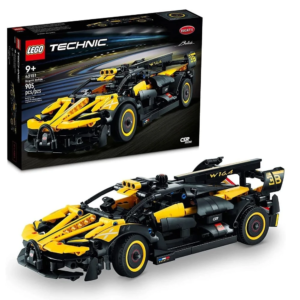
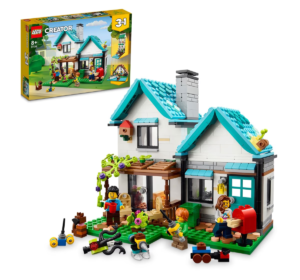
LEGO taps into the IKEA Effect by making the building process the main experience. Through platforms like LEGO Ideas, fans can even design future sets, turning customers into co-creators. The joy comes not just from owning a LEGO model, but from creating it.
Canva: Creativity Without the Learning Curve
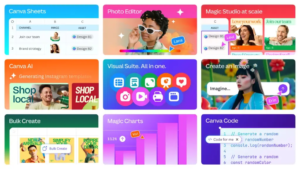
Canva offers users professionally designed templates while allowing them to personalize the final result. Even small edits create a sense of authorship, making people feel like designers and strengthening their attachment to the platform.
Starbucks: A Coffee Made Your Way
Every Starbucks order is an opportunity to customize. Choosing the milk, syrup, size, or extra shot transforms a standard drink into something that feels uniquely yours. That small act of creation makes the experience more personal and memorable.

The same principle appears across industries. Whether it is designing a pair of sneakers, building a teddy bear, choosing every ingredient in a sandwich, or adding a personal engraving to a gadget, the goal is the same. Instead of handing customers a finished product, brands give them a chance to shape the final outcome.
Even a small level of participation creates a stronger emotional connection, making the product feel more personal, memorable, and worth keeping.
Where the IKEA Effect Doesn’t Work
The IKEA Effect is powerful, but it has its limits. It only works when people successfully complete the task. If the process is too difficult, too confusing, or left unfinished, pride quickly turns into frustration.
And while effort can make a good product feel even more valuable, it cannot make a poor product better. In the end, the product still has to deliver on its promise.
BrandBeats’ Take
The lesson is not to make customers work harder. It is to make them feel involved. Whether it is customizing a product, assembling it, or making a meaningful choice, even small moments of participation can create a stronger emotional connection. When customers feel they helped create the final product, they are more likely to value it, remember it, and keep coming back.
FAQs
- What is the IKEA Effect?
The IKEA Effect is a psychological bias where people value things more when they help create or build them.
- Why is it called the IKEA Effect?
It is named after IKEA because assembling its flat-pack furniture makes people feel more attached to the finished product.
- Who discovered the IKEA Effect?
The concept was introduced in a 2011 study by Michael Norton, Daniel Mochon, and Dan Ariely.
- How do brands use the IKEA Effect?
Brands encourage customers to customize, build, or personalize products to create a deeper emotional connection.
- What are some examples of the IKEA Effect?
IKEA furniture, LEGO sets, Canva designs, Starbucks custom drinks, and Nike By You sneakers all use this principle.