

India’s ride-hailing market has a new entrant and this one is betting on a cooperative model rather than commissions.
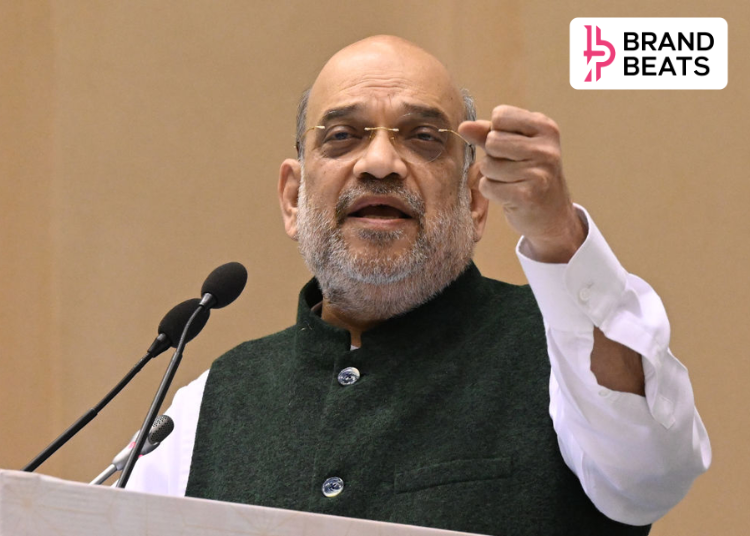
Union Home Minister and Minister of Cooperation Amit Shah has officially launched Bharat Taxi, India’s first driver-owned ride-hailing platform, in Gujarat. The service has been rolled out across 14 cities in the state and is expected to expand statewide within the next month before gradually scaling to other parts of the country.
Unlike conventional ride-hailing platforms, Bharat Taxi operates on a cooperative ownership model, where drivers are not merely service providers but shareholders in the platform. The initiative has been developed under the Ministry of Cooperation and is backed by several leading cooperative institutions, including Amul, IFFCO, KRIBHCO, NAFED, NABARD, NDDB, NCEL and NCDC
Speaking at the launch in Gandhinagar, Shah said the platform was created to end what he described as the exploitation of drivers by private cab aggregators. He said drivers on existing platforms often face high commissions, arbitrary account suspensions and limited financial security, adding that Bharat Taxi has been designed to ensure fair treatment for both drivers and passengers.
He also assured the guarantee zero exploitation in Bharat Taxi, adding that nearly 7 lakh drivers have already become owners of the cooperative. According to him, the platform will provide drivers with dignity, financial security and a greater share of their earnings.
The platform follows a zero-commission model, allowing drivers to retain the full fare earned from each ride. In addition to higher earnings, members will have access to benefits such as insurance, pension support, loans and other welfare schemes through the cooperative network. Passengers, meanwhile, are expected to benefit from transparent pricing without excessive surge charges.
With its nationwide ambitions and cooperative-first approach, Bharat Taxi represents the government’s latest attempt to bring the cooperative movement into the digital platform economy while reshaping the way app-based mobility services operate in India.