

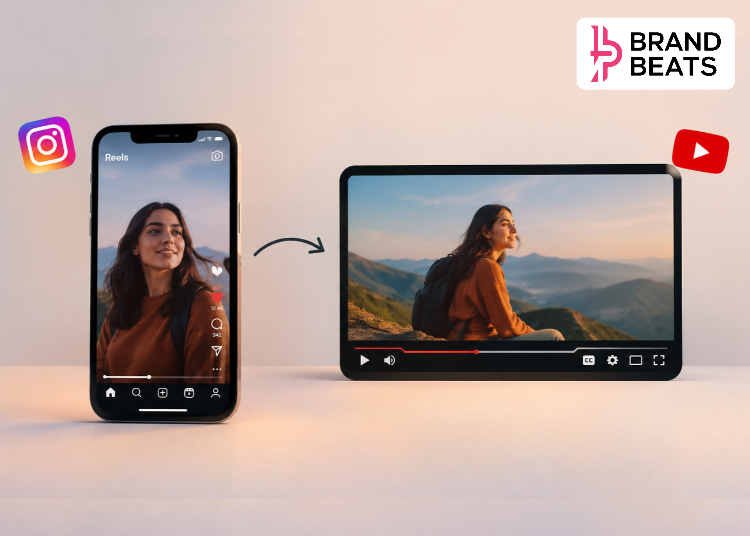
For years, Instagram has become a go-to platform for discovering videos, but when viewers want to watch the full interview, podcast or conversation, they often turn to YouTube.
A podcast clip appears on Reels, a comedian’s punchline finds an audience, or a creator’s interview sparks curiosity. But when viewers want the full conversation, the longer episode or the complete performance, they often leave Instagram and head to YouTube.
Instagram now wants to change that.
Meta-owned Instagram is testing a new video format called ‘Features’, which will allow select creators to upload horizontal videos of up to 90 minutes. The format is designed for longer content, including podcasts, interviews, comedy and vlogs, giving creators more room to develop ideas beyond the short videos that dominate the platform. The test began with creators in Brazil and is expanding to a select group in the US.
The announcement is significant not simply because Instagram is allowing longer videos, but because it signals a change in what the platform wants to be. It is moving beyond the quick scroll towards a viewing experience in which users might discover a creator, watch a clip and stay for the entire episode without switching apps.
That puts it in more direct competition with YouTube, a platform where long-form video is already central to the creator economy.
The question is whether Instagram can persuade viewers and creators to change habits they have built over years.
From the Reels feed to the full episode
Instagram’s strength has long been discovery. Reels can introduce users to creators they have never followed, and short videos can travel quickly through recommendations, shares and direct messages. But discovery does not automatically translate into sustained viewing.
A 30-second clip from a podcast may grab attention, but it rarely delivers the context of a 45-minute conversation. Until now, creators who wanted to take that interest further often needed to direct audiences to another platform.
Features are designed to close that gap.

Instagram is also testing a feature called ‘Clips as Reels’, which lets creators turn sections of longer videos into Reels that link back to the full video. The idea is to connect the two formats, allowing short videos to serve as entry points for longer content rather than treating them as separate viewing experiences.
It also changes the role of Reels. Rather than being the final destination for a piece of content, a short video could become the trailer for something more substantial.
Why this puts YouTube in the conversation
The competition is not about which platform can accommodate a 90-minute video. YouTube has long supported long-form uploads, and its appeal goes well beyond video length.
It has built an ecosystem around creator channels, searchable content, recommendations, subscriptions and advertising revenue. People visit it for everything from podcasts and interviews to tutorials, documentaries, music and entertainment. It is also established as a destination for watching videos on television screens.
On YouTube, a viewer might actively search for a podcast, a product review or an interview. On Instagram, a viewer might encounter a creator while scrolling through Reels and decide to watch more. Features could help Instagram turn that moment of curiosity into a longer session.

The platform is also extending its presence on television. Instagram’s TV app, which initially focused on Reels, is expanding to include the newer video formats. Its TV offering has been available on devices including Amazon Fire TV, Samsung and Google TV, with Apple TV support being introduced in the US.
This is an important part of the shift. Long-form horizontal video is not just a different upload format; it lends itself to a different viewing habit. A viewer watching an interview on a television is engaging with content differently from someone flicking through Reels on a phone.
The creator economy could be the real battleground
A 90-minute interview or podcast can require research, planning, equipment, editing and a sustained production effort. Creators need a reason to invest in making that content available on another platform, particularly if they already have an established audience elsewhere.
This is where Instagram faces a more difficult challenge.
YouTube has a defined advertising revenue-sharing model for eligible creators. Under its Partner Program, creators receive 55% of net revenue from watch-page advertisements, subject to the programme’s terms. Instagram, meanwhile, has historically relied more heavily on brand partnerships, subscriptions and other monetisation tools rather than a comparable, broadly available per-view advertising model.
At the time of the announcement, Instagram had not outlined a comparable, long-term advertising revenue-sharing model for Features. Meta has said it is exploring ways for creators to earn from brands, fans and Instagram, including performance-based incentives.
That leaves an important question unanswered: what makes publishing a full-length video on Instagram financially worthwhile?
Creators with existing brand deals may have a reason to bring their content to Features, especially if they can carry those partnerships across. Others could see value in reaching new audiences without having to build a separate following from scratch.
But for creators who already earn meaningful income from YouTube, Instagram will need to offer more than access to another audience. It will need to make a compelling case for the additional time and resources required.
If Features becomes a reliable source of reach, brand deals or direct earnings, creators could have a stronger incentive to invest in it. If it does not, it may remain a secondary distribution channel for content that is primarily made for YouTube.
Instagram has tried long-form video before
There is another reason to approach this launch with caution: this is not Instagram’s first attempt at long-form video.
The platform previously introduced IGTV as a destination for longer videos, but discontinued the standalone IGTV app in 2022 as it moved towards a more integrated video strategy.

Features is a different proposition because it is being developed alongside Reels, creator profiles and Instagram’s growing TV presence. Rather than asking users to adopt a separate destination, Instagram is trying to connect longer viewing to behaviour that already exists on the platform.
That may give it a better starting point, but the fundamental challenge remains. Users need a reason to watch longer videos on Instagram when they already have familiar destinations for that content.
The answer will depend on more than the upload limit. Content discovery, viewing experience, creator incentives and monetisation will all influence whether the format becomes part of everyday use.
A bigger video strategy, not just a longer Reel
Instagram’s move reflects a broader shift in the competition between social platforms and video destinations. The distinction between discovering content and watching it in full is becoming less clear, as platforms seek to keep users engaged across multiple formats and screens. YouTube, too, has been developing ways to organise Shorts into series, while Instagram is experimenting with episodic content and more discoverable live video.
For YouTube, the competitive pressure may emerge if Instagram can retain creators who previously used Reels mainly to promote their longer videos elsewhere.
But that outcome is not guaranteed. YouTube’s established monetisation system and viewing habits remain substantial advantages, and Instagram has yet to show how Features will reward creators at scale.
The 90-minute format is therefore less a declaration that Instagram has caught up with YouTube than a sign of where it wants to compete next.
The real test will not be whether people can watch a 90-minute video on Instagram. It will be whether they choose to, whether creators have a financial reason to publish it there, and whether the platform can make long-form viewing work alongside the short-form content that built its video audience in the first place.