

Food brands have plenty of stories to tell, but when every other pack promises authenticity, sustainability and better ingredients, consumers have more reason to ask questions. Meanwhile, discovering food has become easier than understanding what actually goes into it, with social media, creators and quick-commerce platforms increasingly influencing what people buy.
For Two Brothers India Farms, the challenge is to turn that curiosity into conscious choices. What began as a belief in growing food differently has grown into an ecosystem of 7,000+ farmers, with a focus on soil health, sourcing, processing, and farmer livelihoods.
Satyajit Hange, Co-founder at Two Brothers India Farms, discusses how the brand approaches authenticity, why Gen Z’s curiosity about food matters, how everyday staples and festive traditions can encourage more mindful choices, and why better food needs to become convenient enough for more people to choose it.
Conscious Consumption Cannot Remain A Niche Lifestyle Choice
When Hange and his brother Ajinkya returned to their family farm in Bhodani, the ambition was straightforward: grow food in a way that respected the soil and avoided unnecessary intervention. Building a large food business was not the original plan.
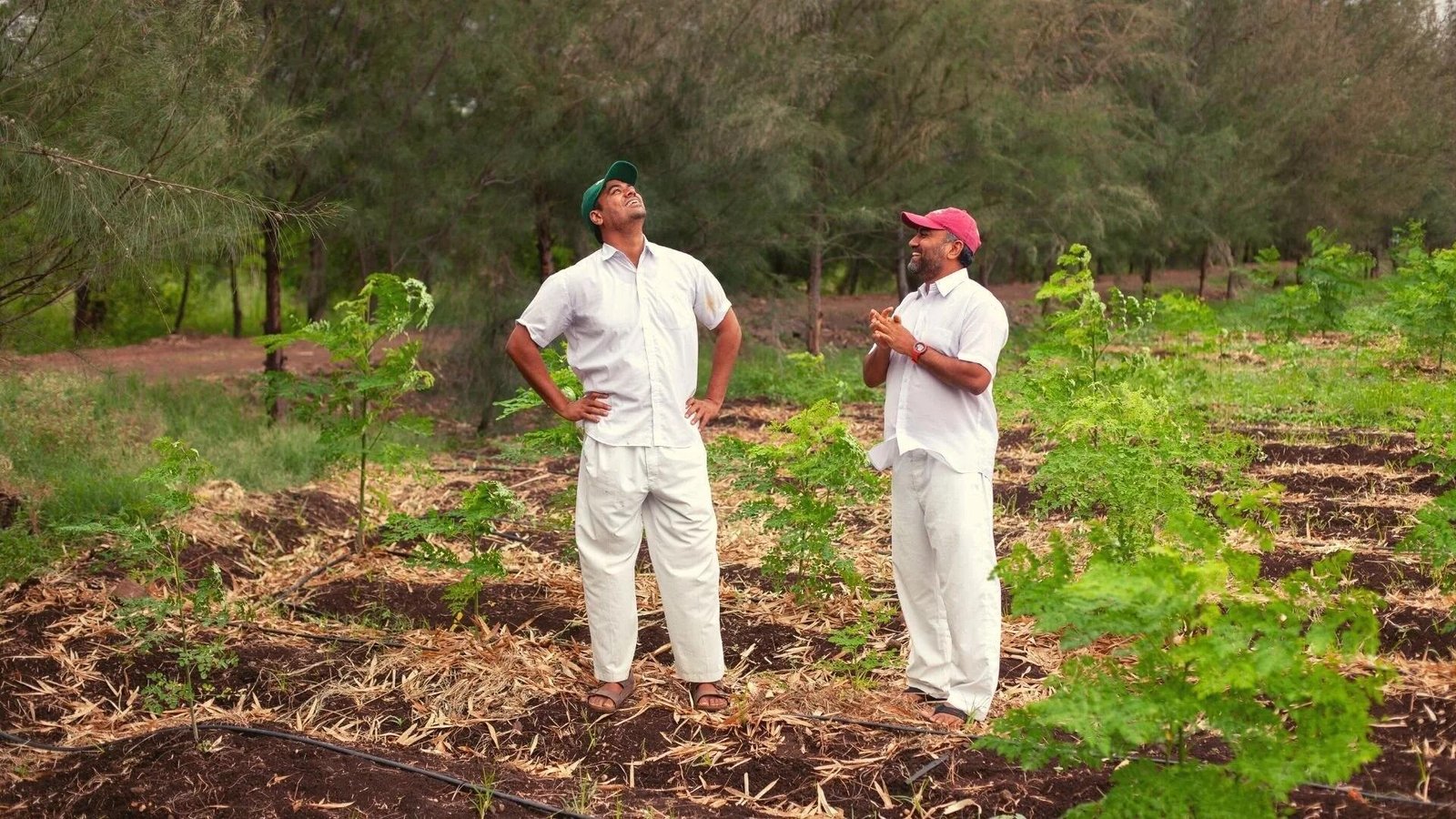
Reflecting on this journey, Hange said, “Today, we work with an ecosystem of more than 7,000 farmers, so naturally the scale and complexity are very different. But some of our earliest beliefs have remained unchanged: stay close to the farmer, respect the ingredient, and interfere with the food as little as necessary.”
“The biggest evolution is probably that conscious consumption cannot remain a niche lifestyle choice. If better food is going to matter at scale, it has to become easier to understand, easier to access and eventually a very normal part of how people shop,” he said.
Hange believes social media-led food discovery can be a starting point for more conscious consumption, rather than simply a lifestyle choice.
A young consumer may first try a product after seeing a creator recommend it or finding it on a quick-commerce app, but that interest can lead them to examine its ingredients, understand how it is made, and learn where it comes from.
He explained, “I also think Gen Z is less loyal to claims and more willing to investigate them. They can discover you in 30 seconds, but they can also question you in 30 seconds. That keeps brands on their toes.”
Rather than dismissing lifestyle-led discovery as superficial, Hange sees an opportunity to turn initial interest into informed choices. The important part is ensuring that there is something substantive behind the first impression.
Questioning Food Quality Without Giving Up Festive Indulgence
Two Brothers India Farms’ ‘Khaane Ke Saath No Mazaak’ campaign encourages consumers to question everyday staples such as atta, ghee, oil and jaggery.
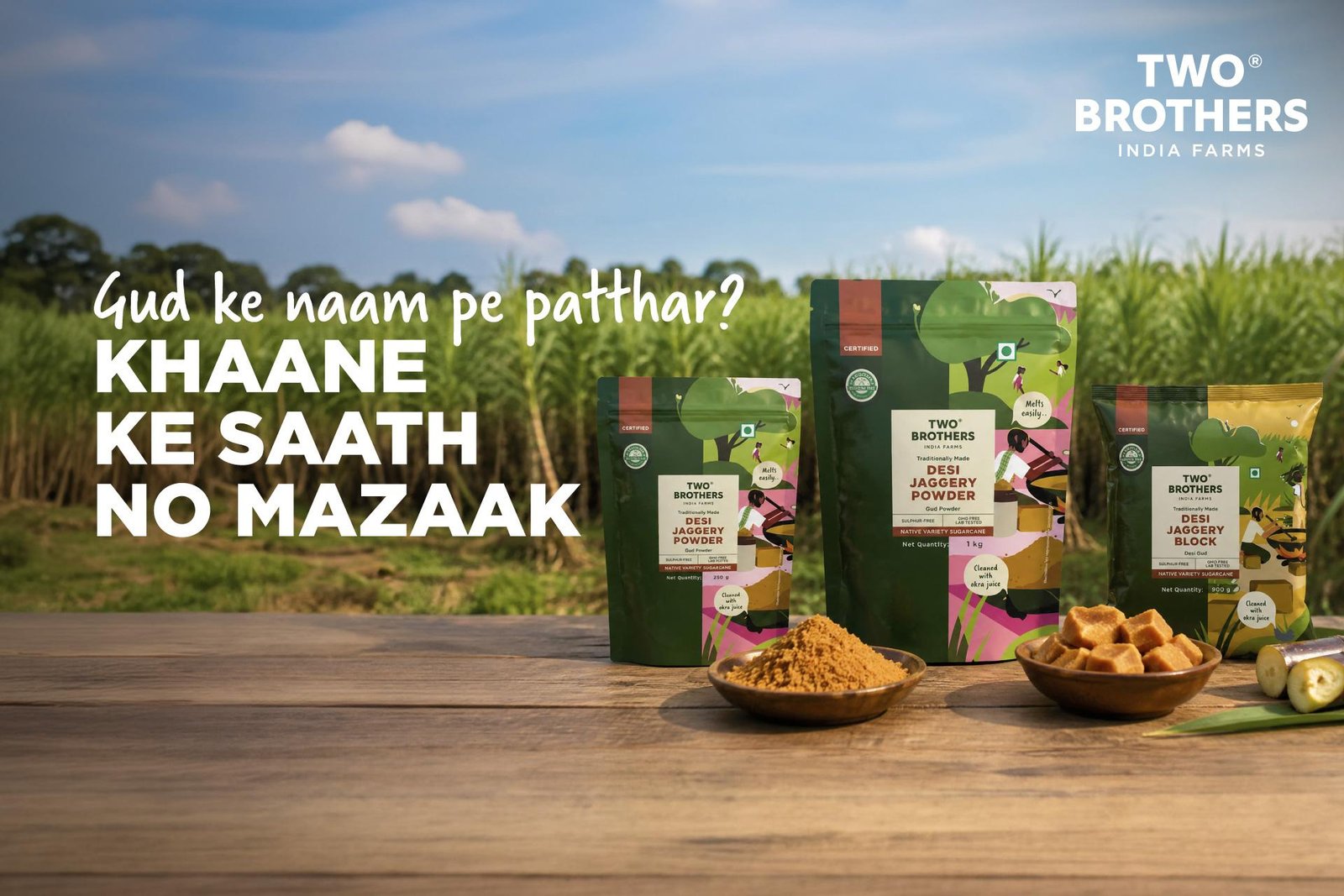
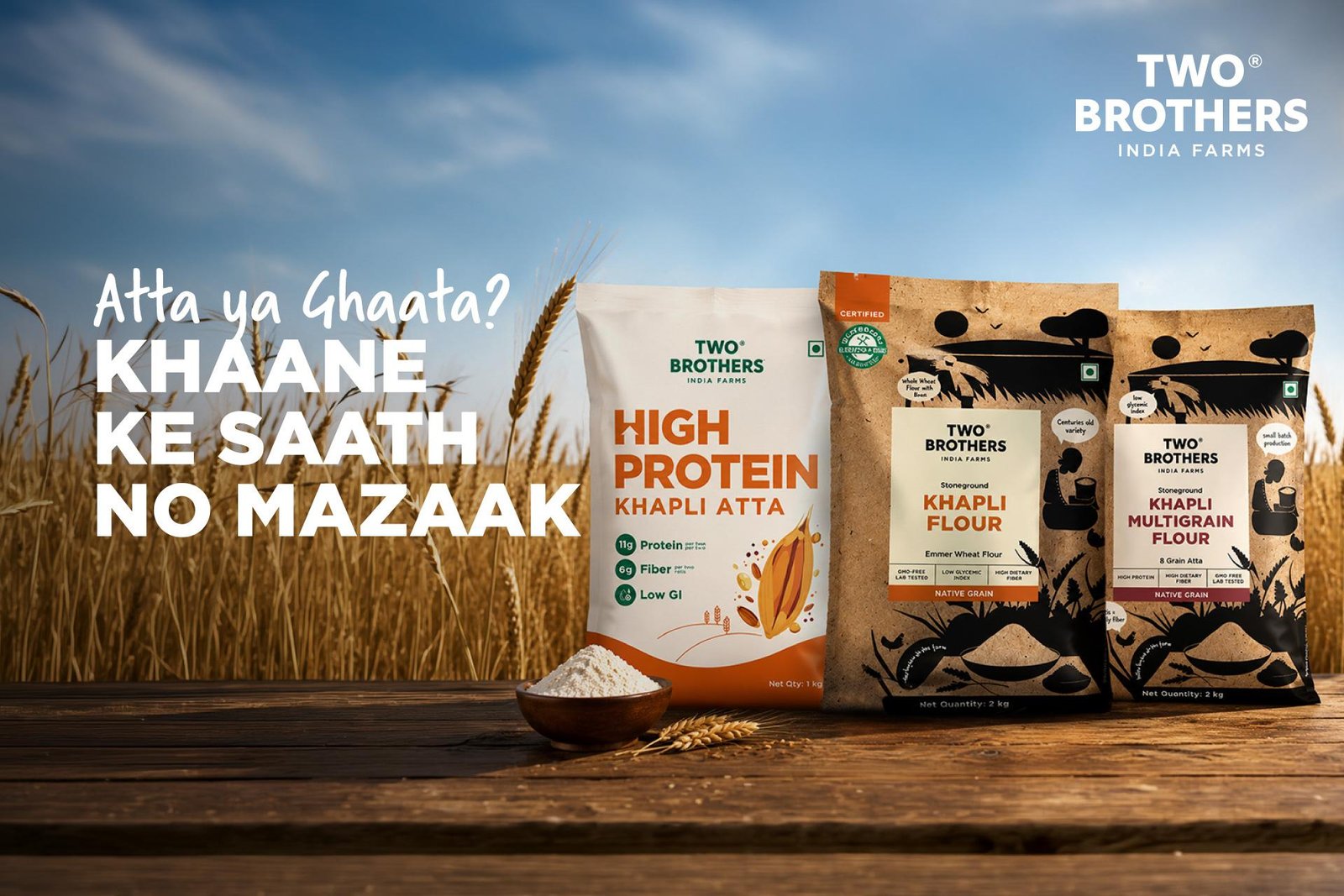
“We want the consumers to question the shortcuts we have normalised in everyday food, especially in staples,” Hange explains.
The campaign uses humour to make subjects such as jaggery quality, ghee-making shortcuts and excessive flour processing easier to engage with, without making food seem frightening or complicated.
Hange’s advice is simple: “If there is one habit I would encourage, it is to occasionally stop before buying an everyday staple and ask: What exactly am I buying, and how was it made? You don’t need to become a food expert. Even that little bit of curiosity can change the choices you make.”
He further adds, “Gen Z already researches almost everything else before buying it, from phones to skincare to sneakers. I would love to see some of that same curiosity reach the kitchen.”
Festive eating brings a similar focus on ingredients, without taking away the joy of celebration. Hange believes mindful consumption should not mean asking people to give up the foods they enjoy during Diwali.
Instead, he says, “If you are making a laddoo, halwa, or faral that your family has eaten for generations, the more interesting conversation is around the quality of the ghee, flour, oil, jaggery, or nuts going into it.”
He adds, “I think that is where brands can play a useful role during festivals: make better ingredients and forgotten food traditions easier to discover, rather than turning celebration into a list of restrictions. Nobody wants a lecture at the festive table.”
Authenticity Needs Evidence, Not Another Brand Claim
Hange believes consumers need evidence rather than repeated claims of authenticity. As he puts it, “I think authenticity becomes weaker the moment you have to keep announcing that you are authentic. Consumers don’t need the word; they need evidence.”
For Two Brothers India Farms, that evidence begins with the people, ingredients, and processes behind its products. Hange says much of the material for its storytelling exists before the marketing team gets involved. The task is to document it rather than manufacture an additional narrative around it.
That also means showing the less photogenic realities of farming, from failed crops and changing weather to sourcing challenges and variations between harvests.
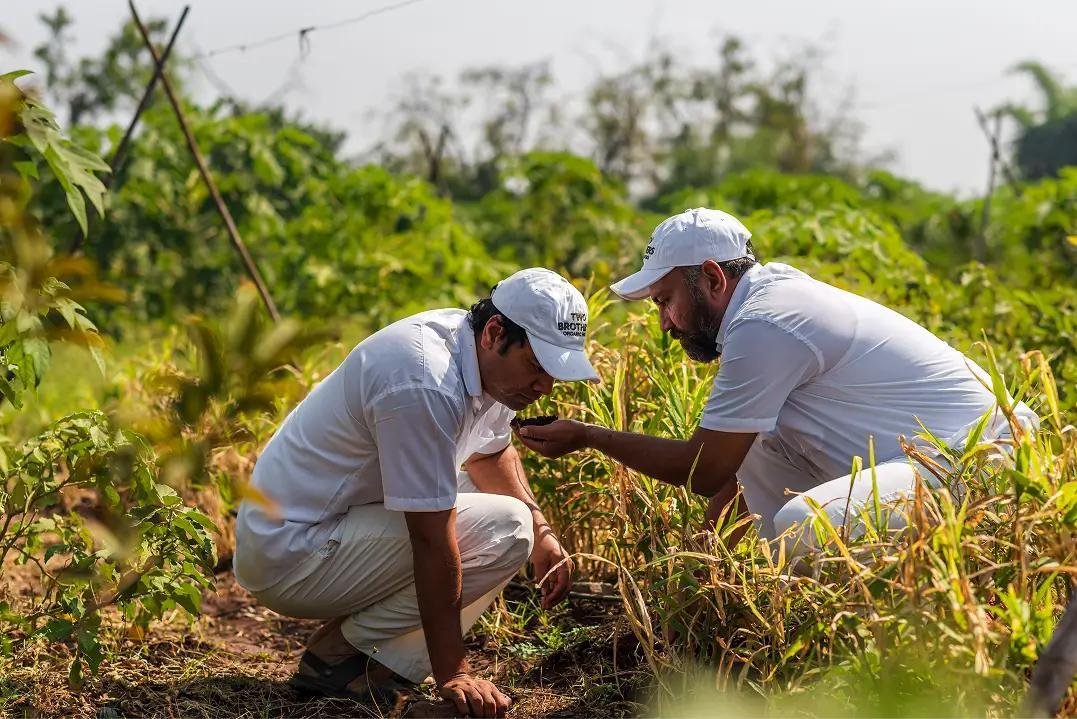
Hange explains, “Ultimately, the difference between storytelling and story-making is whether there is evidence behind it. When the source, process and people behind the food are visible, the story doesn’t need too much decoration.”
The same principle applies to sustainability. Hange points out that it cannot be reduced to a single claim on a pack. Soil health, water, biodiversity, processing, packaging, transportation and the farmer’s economic viability all form part of the picture.
He believes brands need to move beyond broad descriptions and explain what they are actually doing, how progress is measured and where work remains.
As he puts it, “Sustainability should become something a business can demonstrate over time, not a badge that marketing puts on a campaign.”
Better Food Has To Be Convenient, Too
Conscious eating often runs into a practical obstacle: time. Consumers may want better ingredients, but they cannot spend twenty minutes researching every grocery purchase.
Hange acknowledges this, saying, “Most people are busy, and convenience is not a bad consumer behaviour that needs to be corrected.”
He further explains, “The challenge for us is to remove the effort without removing the integrity of the food. That could mean making familiar traditional ingredients easier to use, improving formats and pack sizes, being available where consumers already shop and making information easy to understand rather than expecting people to do homework before purchasing.”
Hange further explains how availability influences everyday choices: “If someone decides at 7 pm that they need ghee or atta for dinner, being available when and where that decision happens matters.”
The same principles guide product expansion, with Hange emphasising that new launches need to offer more than an opportunity to enter a growing category. “For us, a new product needs a reason to exist beyond the fact that the category is growing.”
He adds, “It has to connect to something we understand and stand for, whether that is an ingredient, a traditional process, a farming community, a regional food practice or an opportunity to make an existing food with less unnecessary intervention. If the only difference is that the Two Brothers name is going on the pack, that isn’t enough.”
For Hange, building a business also requires the discipline to decline opportunities. Not every attractive category needs to become part of the portfolio.
Farming Doesn’t Need To Move At The Speed Of Social Media
Hange believes farming content should make the process accessible without forcing it to match social media’s pace: “I don’t think we should try to make farming move at the speed of social media. The challenge is to find a small, interesting truth within a much larger process.”
A single crop can offer stories about grain varieties, how farmers recognise harvest readiness, why ingredients from different regions behave differently, or what happens before oil reaches a bottle. Each can introduce consumers to a larger subject without oversimplifying the process.
“And every piece of content doesn’t need to become louder or faster to compete. Sometimes the fact that something takes time is the interesting part. Farming gives us something social media often doesn’t: a process you cannot hack, rush or manufacture overnight,” he adds.
The objective is not simply to win a few seconds of attention, but to leave consumers with a better understanding of their food.
As Hange puts it, “If someone spends 30 seconds with us and leaves knowing one thing about their food that they didn’t know before, that is useful content.”