


Ever started watching a series, only for an episode to end at the exact moment something interesting happens? You tell yourself you’ll watch just one more episode. Or perhaps you’ve added something to your shopping cart, left the website, and somehow found yourself thinking about that purchase again a few hours later.
There’s a reason unfinished things have a way of occupying our minds, sometimes long after we’ve moved on to something else.
In psychology, this phenomenon is known as the Zeigarnik Effect. Named after Lithuanian psychologist Bluma Zeigarnik, the concept suggests that people tend to remember interrupted or incomplete tasks better than completed ones. In simple terms, our brains don’t always like leaving things unfinished.
And while this might sound like an everyday psychological quirk, it has found some rather interesting applications in the world of marketing.
Where did the Zeigarnik Effect come from?
The concept dates back to the 1920s, when Zeigarnik was working with psychologist Kurt Lewin in Berlin.
An observation made during this period caught their attention. A waiter appeared to remember orders that customers hadn’t yet paid for considerably better than those that had already been settled. Once an order was paid for, the details seemed to fade from his memory.

Intrigued by this, Zeigarnik decided to investigate whether unfinished tasks had a stronger hold on our memory than completed ones.
In her experiments, participants were asked to perform a series of simple tasks, some of which they were allowed to complete while others were deliberately interrupted. She found that participants were generally better at recalling the interrupted tasks than the completed ones.
The explanation was that an unfinished task creates a certain degree of psychological tension. Until the task is completed, it continues to occupy some space in our minds.
Think of it as an open tab in your browser. You may have moved on to another activity, but that tab hasn’t quite disappeared from your mental screen.
However, the effect isn’t universal. Subsequent research has found that the tendency to remember unfinished tasks can vary depending on motivation, circumstances and the nature of the task. It is better understood as a psychological tendency than an absolute rule.
So, how does this translate into marketing?
For marketers, the interesting question is not simply why people remember unfinished things, but how that lingering sense of incompleteness can influence what they do next.
Brands have found ways to build experiences around this very behaviour, giving consumers just enough information, progress or anticipation to encourage them to return.
1. The cliffhanger strategy: Giving consumers a reason to come back
One of the most familiar applications can be found in the entertainment industry.
Streaming platforms such as Netflix have mastered the art of ending episodes at moments when viewers are left wanting answers. A character discovers something shocking, a major revelation is about to unfold, or a storyline takes an unexpected turn. Before viewers can process what happened, the credits roll.
The result? The next episode becomes difficult to resist.

This is closely related to the Zeigarnik Effect because an unresolved storyline leaves viewers mentally invested in finding out what happens next. The unanswered question keeps the narrative alive in their minds.
For brands, this is also a lesson in content marketing. A campaign that reveals everything at once may leave little reason for audiences to return. A well-planned teaser, a multi-part storytelling format or a carefully timed reveal can create anticipation and encourage repeat engagement.
2. The incomplete shopping cart: When a purchase remains on the mind
Ever added something to your shopping cart, got distracted and forgotten to complete the purchase, only to receive a reminder from the brand later?
E-commerce platforms frequently use abandoned-cart reminders to bring consumers back to purchases they haven’t completed.

An unfinished purchase can remain psychologically salient, particularly when the consumer has already spent time browsing products, comparing options and adding items to their cart.
A reminder saying ‘Your cart is waiting’ or ‘You left something behind’ brings that incomplete action back into focus.
This isn’t necessarily the Zeigarnik Effect at work in isolation. Purchase reminders also rely on memory cues, purchase intent and convenience. But the underlying idea is relevant: an action that hasn’t reached its conclusion can be easier to bring back to the consumer’s attention.
3. Progress bars: Making consumers want to finish what they started
Another interesting application can be seen in platforms that encourage users to complete their profiles, finish onboarding or work towards a particular milestone.
LinkedIn, for instance, uses profile completion indicators to show users how much of their profile is filled in and what information they could still add.
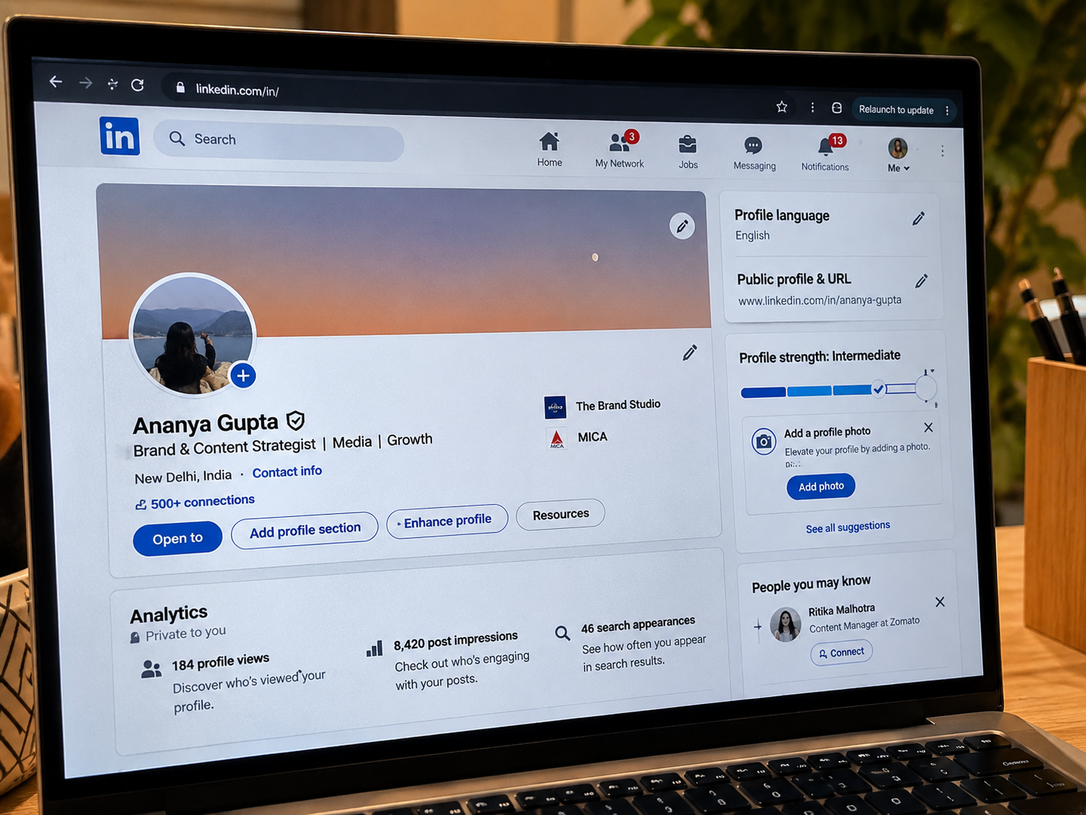
When users see that their profile is almost complete, the remaining gap becomes difficult to ignore. Completing the final sections starts to feel like a small but necessary achievement.
Similarly, language-learning platforms such as Duolingo break learning into lessons, levels and progress milestones. Users can see how far they’ve come and what remains to be completed.
Here, the Zeigarnik Effect overlaps with other psychological principles, particularly the goal-gradient effect, which suggests that motivation can increase as people get closer to achieving a goal.
The takeaway for brands? Sometimes, showing consumers what remains unfinished can be just as motivating as showing them what they’ve already achieved.
4. The art of the teaser: Why brands don’t reveal everything at once
Product launches are another space where the psychology of incompleteness becomes interesting.
Brands often release cryptic teasers, partial product reveals, countdowns and short promotional videos before making a full announcement.
Instead of giving audiences all the details upfront, they leave certain questions unanswered. What is launching? When will it be available? What does the new product look like?
Apple’s product launch communication, for example, frequently builds anticipation around upcoming announcements through carefully timed reveals and launch events.
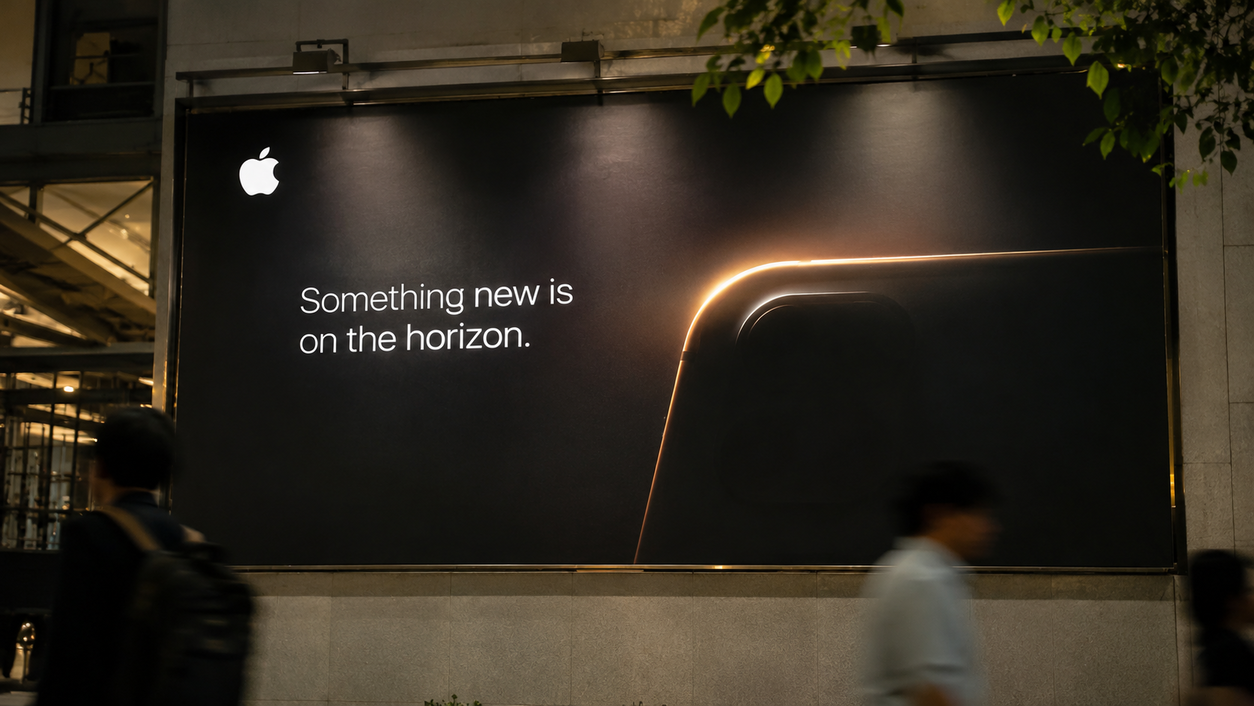
The curiosity generated by these announcements encourages audiences to follow the brand’s communication and return for more information.
Of course, this is also closely linked to curiosity-driven marketing and anticipation psychology. The Zeigarnik Effect offers one way of understanding why unresolved information can keep an audience mentally engaged.
But is leaving things unfinished always a good marketing strategy?
Not quite.
There is a difference between creating curiosity and creating frustration.
A cliffhanger can encourage viewers to watch another episode, but repeatedly delaying a promised reveal can eventually make audiences lose interest. An incomplete profile can motivate someone to finish setting it up, but too many reminders can become irritating. Similarly, an abandoned-cart notification may bring a customer back once, but excessive follow-ups can push them away.
The psychological principle works best when there is a meaningful resolution waiting at the other end.
Brands also need to remember that not every unfinished task stays in a consumer’s mind. People abandon purchases, skip notifications and forget content all the time. The effect is influenced by how invested they are in the activity and whether they actually want to complete it.
Ultimately, the Zeigarnik Effect offers marketers an interesting insight into human behaviour: sometimes, the most effective way to keep consumers engaged is to give them a reason to seek the missing piece.
Because while consumers may forget a completed interaction, an unanswered question or an unfinished experience can give them a reason to come back.