

Most energy drinks compete for shelf space. Red Bull decided to compete for eyeballs.
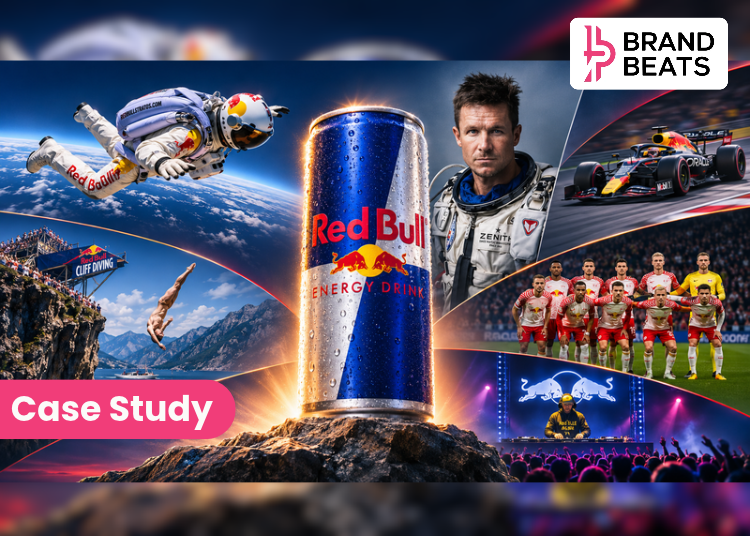
Over the years, it has sponsored Formula 1 teams, built football clubs, backed extreme sports athletes and organised events that seem to have one question behind them: What if we took this just a little too far?
But Red Bull’s real marketing trick goes beyond putting its logo on exciting things. It has gradually moved from sponsoring spectacles to creating them, producing the content around them and distributing it to audiences across the world.
Two examples capture this shift particularly well: the 2012 Red Bull Stratos mission and Red Bull Media House. One sent a man jumping towards Earth from the edge of space. The other helped turn such moments into a media business.
The Product Problem: Selling More Than What’s In The Can
When Red Bull launched in Austria in 1987, energy drinks weren’t exactly a familiar grocery-list essential. The company had to introduce consumers to a product they didn’t necessarily know they needed.
Inspired by Thailand’s Krating Daeng, co-founder Dietrich Mateschitz adapted the drink for European markets and gave it a distinctive identity. The slim can, bold branding and tagline, ‘Red Bull gives you wings’, helped it stand apart from conventional soft drinks.
But the company wasn’t just selling a different beverage. It was selling an idea: energy, alertness, performance and an active lifestyle.
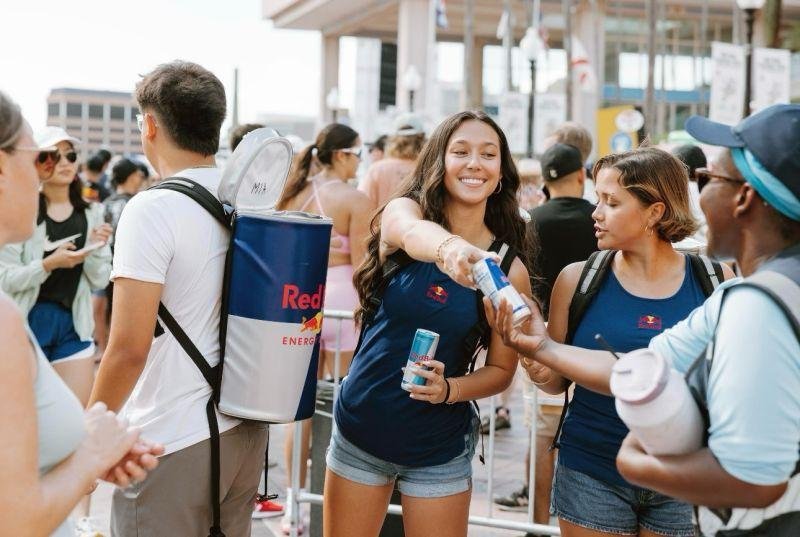
Its early Student Marketeers programme helped take the drink directly to universities, parties and other youth-centric spaces. Instead of relying only on traditional advertising, Red Bull put the product in people’s hands and let word of mouth do some of the heavy lifting.
The strategy gave the drink a personality before the energy drink aisle became crowded. And that personality would eventually take Red Bull far beyond the refrigerator.
Selling A Feeling: From Sponsorship To Spectacle
Red Bull’s association with extreme sports wasn’t a random branding exercise. Skydiving, snowboarding, cliff diving and motorsports offered the perfect visual shorthand for the brand’s promise of energy and adventure.
But there is a difference between putting your logo on an event and owning the event itself.
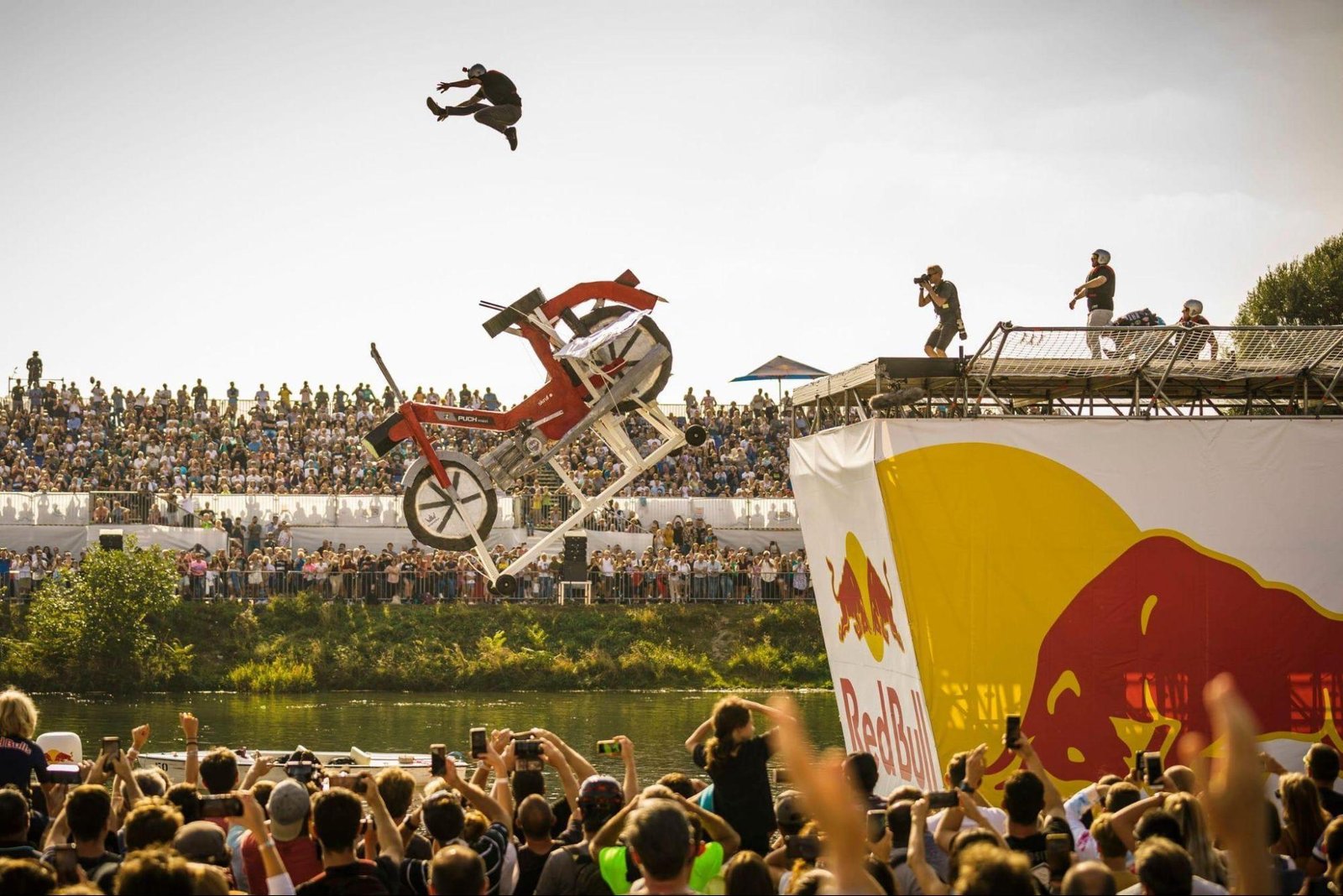
With properties such as Red Bull Flugtag, Red Bull Soapbox Race and Red Bull Cliff Diving, the company created experiences that people could participate in, watch and share. It wasn’t just borrowing someone else’s audience; it was building its own.


The same approach extended into professional sport. Red Bull acquired Jaguar Racing in 2004 and entered Formula 1 as a constructor in 2005. It also built a football portfolio that includes clubs in Salzburg, Leipzig, New York and Brazil.
Each property offered more than a sponsorship opportunity. It gave Red Bull a recurring source of athletes, competition, personalities and stories.
And that raised an interesting question: if the company could create the spectacle, why leave someone else to tell the story?
Red Bull Stratos: When the Marketing Brief Reached The Edge Of Space
On October 14, 2012, Austrian skydiver Felix Baumgartner stepped out of a capsule suspended nearly 39 kilometres above Earth and began his descent.
The Red Bull Stratos mission saw Baumgartner jump from the stratosphere, becoming the first person to break the sound barrier in freefall. It also set records for the highest manned balloon flight and highest-altitude parachute jump at the time.
It was an extraordinary sporting and technical achievement. It was also a marketing spectacle on a scale few brands had attempted.

Red Bull wasn’t sponsoring the show. It was the show
Five years of preparation for one giant leap
Stratos wasn’t a campaign cooked up over a weekend. The mission involved years of preparation, specialist engineers, a custom-built capsule, a helium balloon, a pressure suit and extensive safety testing.

Baumgartner underwent training and completed test jumps before the final attempt. The preparation itself became part of the story.
Red Bull could release footage of the tests, introduce the people behind the mission and build anticipation around the technical challenges. By the time jump day arrived, audiences had more than a daredevil to watch. They had a mission to follow.
Eight million people watching one man fall
The final jump was livestreamed globally, with YouTube reporting more than eight million concurrent viewers on its platform.

That number matters because it shows how the event travelled. Red Bull didn’t need to buy a commercial break during a popular sporting broadcast. It created something people actively wanted to tune into.
The livestream had all the ingredients of compelling live entertainment: a dramatic setting, a high-stakes attempt and an outcome that wasn’t entirely predictable. Would the equipment work? Would Baumgartner break the sound barrier? Would he make it back safely?
For viewers, it was part sporting event, part science experiment and part edge-of-your-seat television.
And Red Bull’s identity was woven into the entire experience, from the capsule and mission branding to the broadcast itself.
The jump ended. The content kept going.
Here’s where Stratos becomes particularly interesting from a marketing perspective.
The value of the mission wasn’t limited to the few minutes Baumgartner spent in freefall. Red Bull had captured the ascent, the preparation, the jump, the landing and the technical work behind it.
That footage could be turned into documentaries, interviews, short videos, explainers and retrospective features. People who missed the livestream could watch it later; those who had seen it could revisit the most dramatic moments.
In other words, one event became a library of content.

Stratos demonstrated that Red Bull could identify a spectacle, develop it, capture it and distribute it to a global audience. It also showed that a brand could create something with enough news and entertainment value for people outside its own channels to cover it.
There is no publicly established figure showing exactly how many cans the mission sold. But measuring Stratos only through immediate beverage sales misses the bigger point: Red Bull had demonstrated its ability to manufacture global attention.
The next step was making that ability a more permanent part of the business.
Red Bull Media House: When the Brand Decided to Become a Media Company
Creating a spectacular event is one thing. Having the machinery to turn it into content, distribute it and do it again is another.
Established in 2007, Red Bull Media House gave the company a more organised media operation, spanning film, television, digital video, print, sports coverage and content distribution.
Think of it this way: Red Bull wasn’t just collecting interesting moments anymore. It was building the infrastructure to produce and package them.
Not just another brand YouTube channel
There is a big difference between a company posting product videos and operating a media business.
Red Bull Media House produces content around sport, adventure, culture, music and lifestyle. Its output includes documentaries, films, live broadcasts, photography and editorial formats.
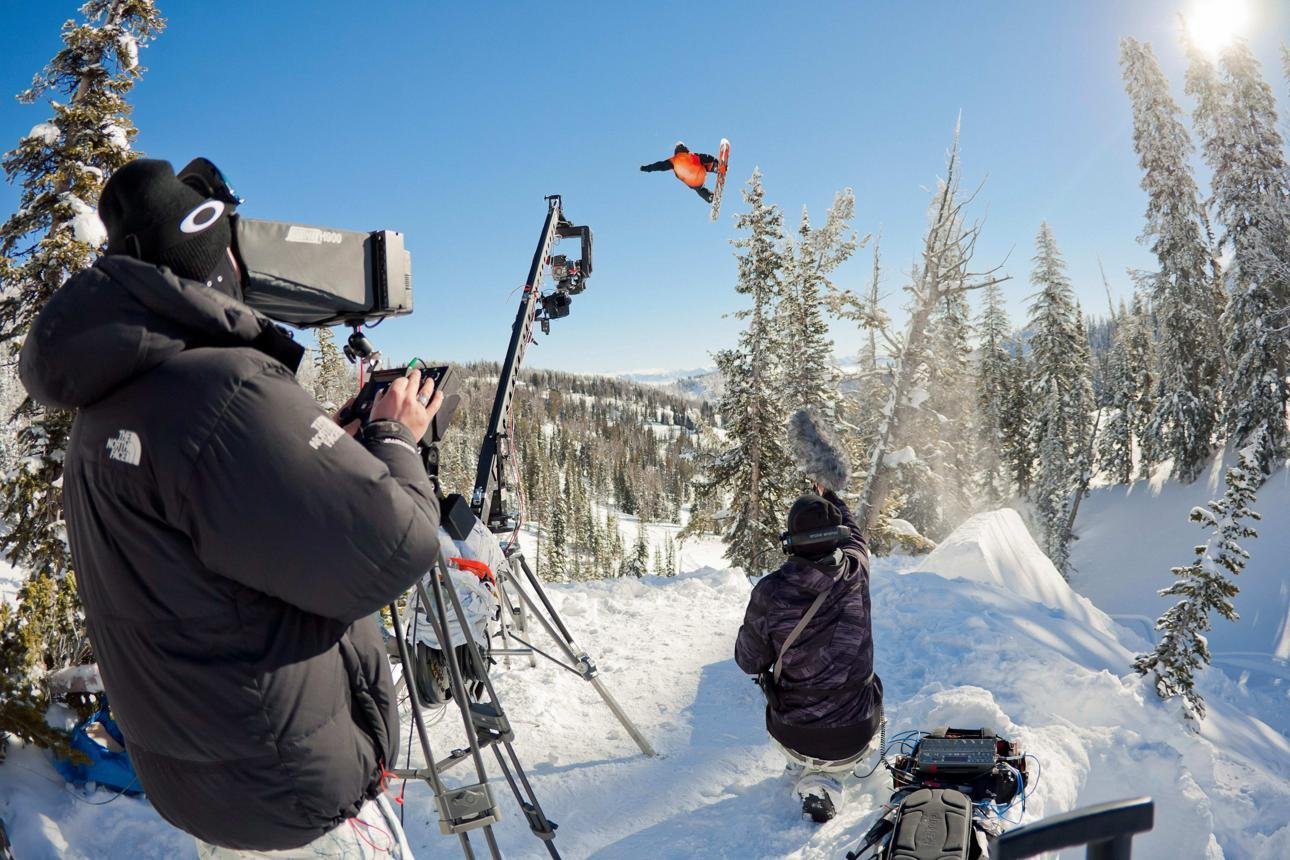
The content doesn’t always need to feature an energy drink. Someone might watch a snowboarding film because they love snowboarding, not because they’re interested in what is inside a Red Bull can.
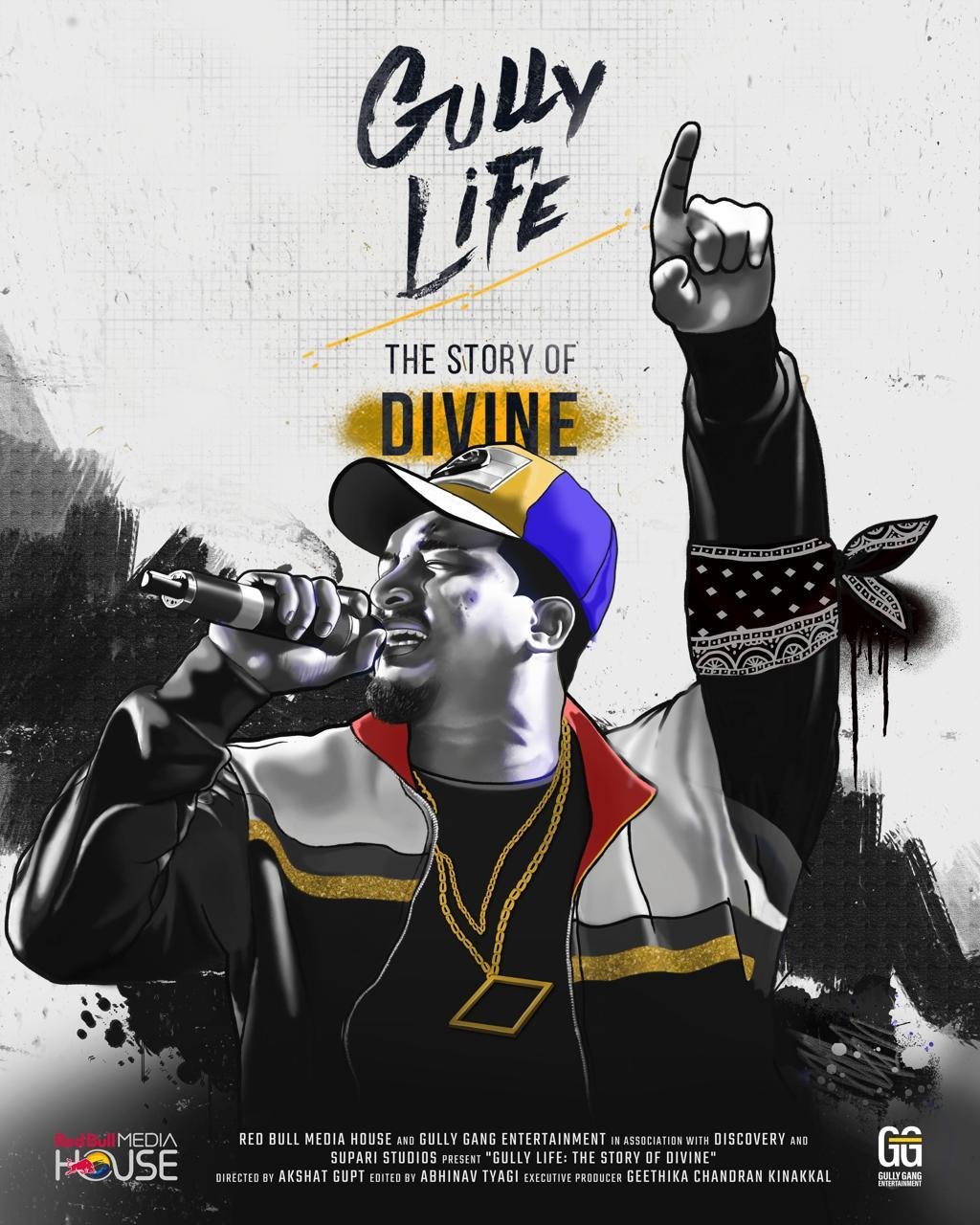
That is precisely the point. The brand becomes associated with the experience without having to turn every frame into an advertisement.
From The Red Bulletin to the big screen
The Red Bulletin is one example of Red Bull’s editorial ambitions. What began around Formula 1 developed into a broader lifestyle publication covering sport, adventure, music and personalities.
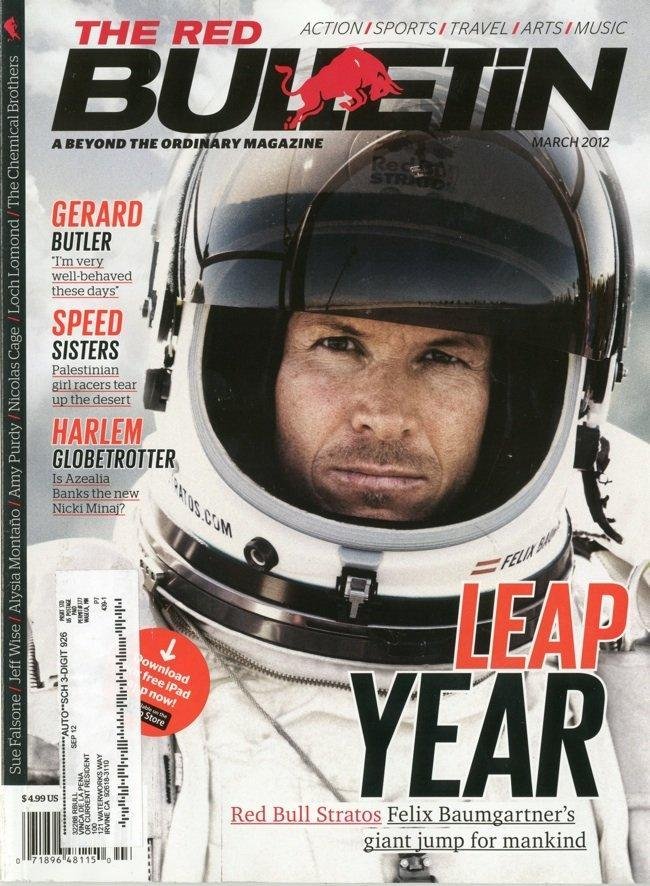
Its film productions followed a similar idea. The Art of FLIGHT, for instance, brought snowboarding to audiences through cinematic storytelling rather than a conventional product-led advertisement.
These projects gave Red Bull something beyond campaign visibility: content that could attract an audience on its own merits.
One event, several lives
Red Bull’s media operation also gives its content multiple routes to audiences.
A sporting event can be livestreamed through a partner, broken into short social videos, developed into a documentary and packaged for later distribution. Photography and footage can also be licensed or used in future editorial projects.
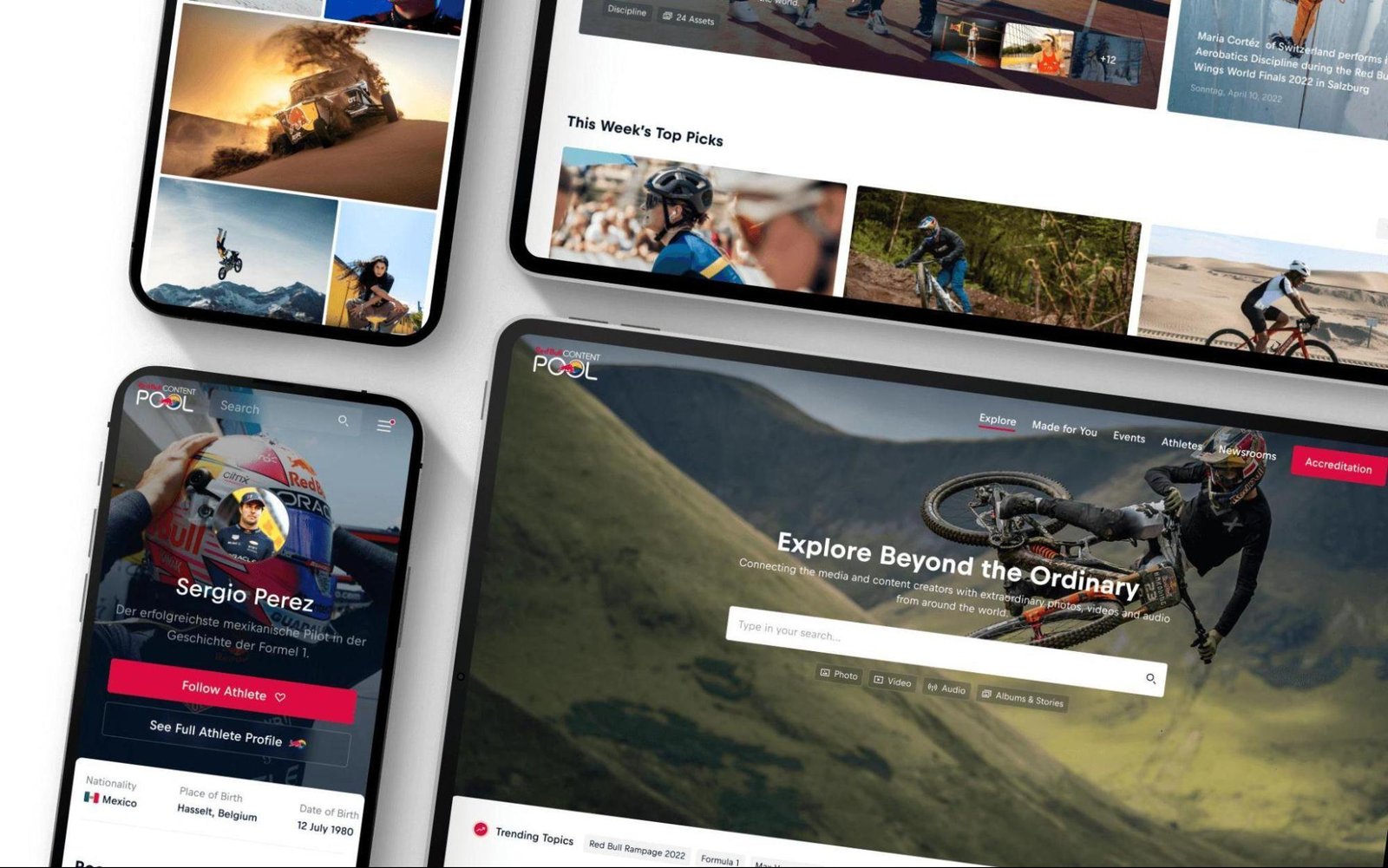
This means the event doesn’t have to disappear from public attention once the winners have been announced.
Red Bull is not dependent on its own channels for every viewer. It works with broadcasters, publishers and digital platforms to distribute content. But it has greater control over originating the event, producing the footage and shaping the story.
That is a meaningful shift from simply buying advertising space.
The business behind the content
Red Bull Media House extends the brand beyond energy drinks through content production, distribution, licensing and commercial partnerships.
Documentaries attract wider audiences, sporting events bring broadcast partners, and its photography archive creates licensing opportunities.
While Red Bull doesn’t disclose the business’s full economics, Media House gives it more ways to monetise the sporting properties and experiences it builds. Stratos proved it could create global spectacles; Media House turned that ability into an ongoing content operation.
The Bigger Business: An Ecosystem That Keeps Feeding Itself
Formula 1, football, extreme sports and music may look like separate interests. For Red Bull, they are connected parts of a much larger ecosystem.

Its Formula 1 team gives it a recurring presence in one of the world’s biggest sporting properties.
Its football clubs provide access to different leagues and audiences. Events such as Cliff Diving and Flugtag create original experiences, while its media operation turns those experiences into content.
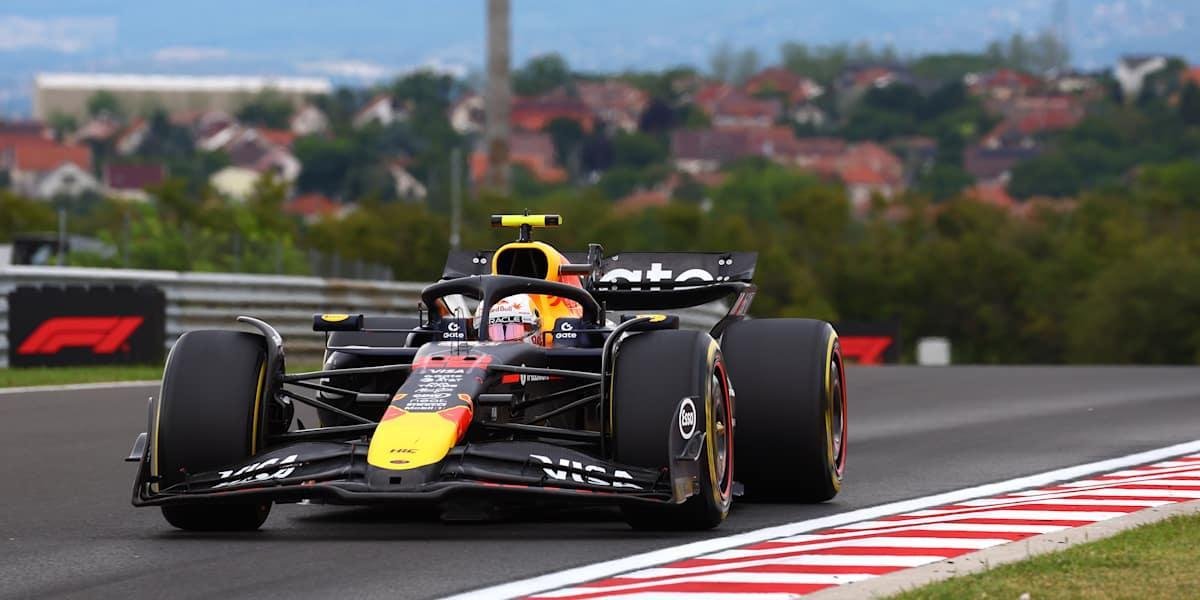
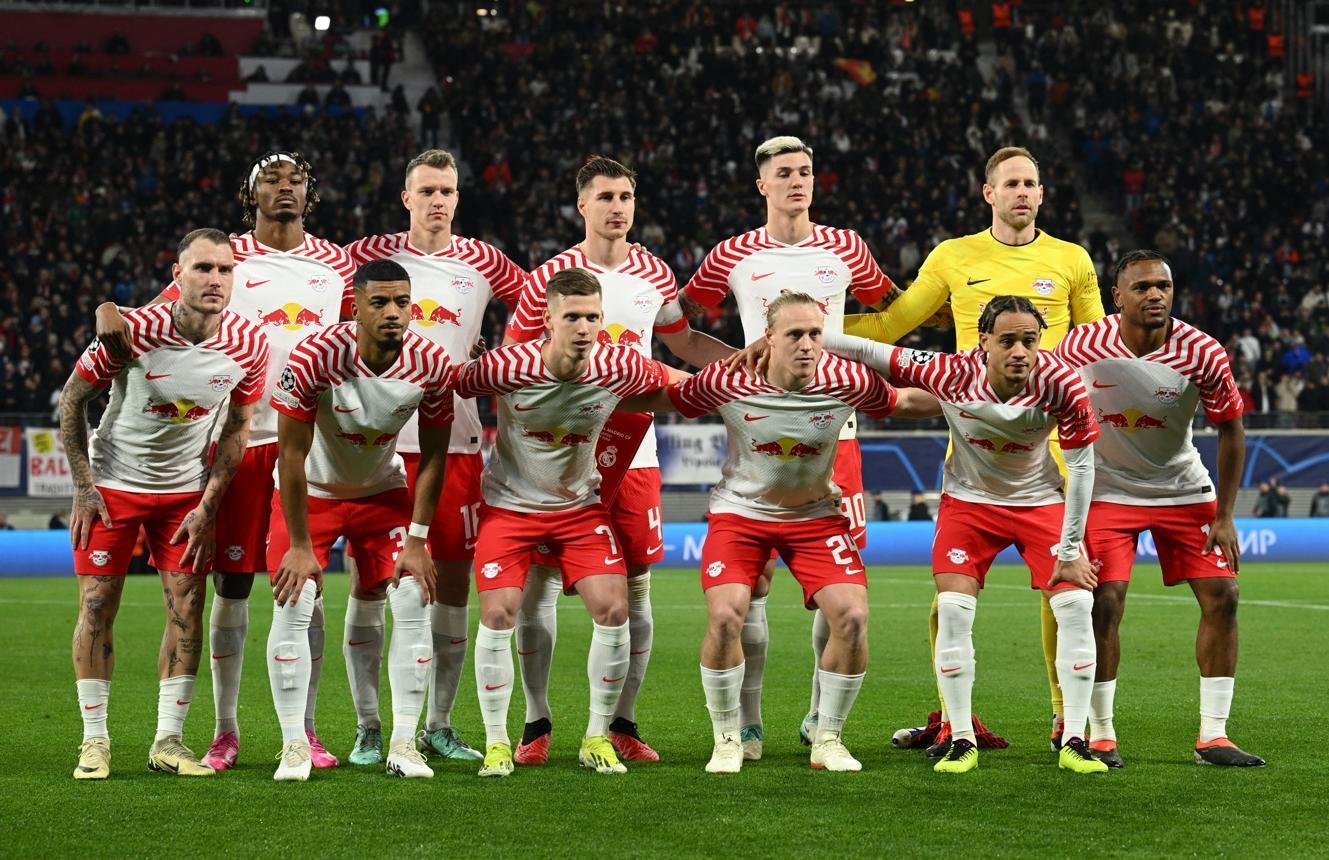
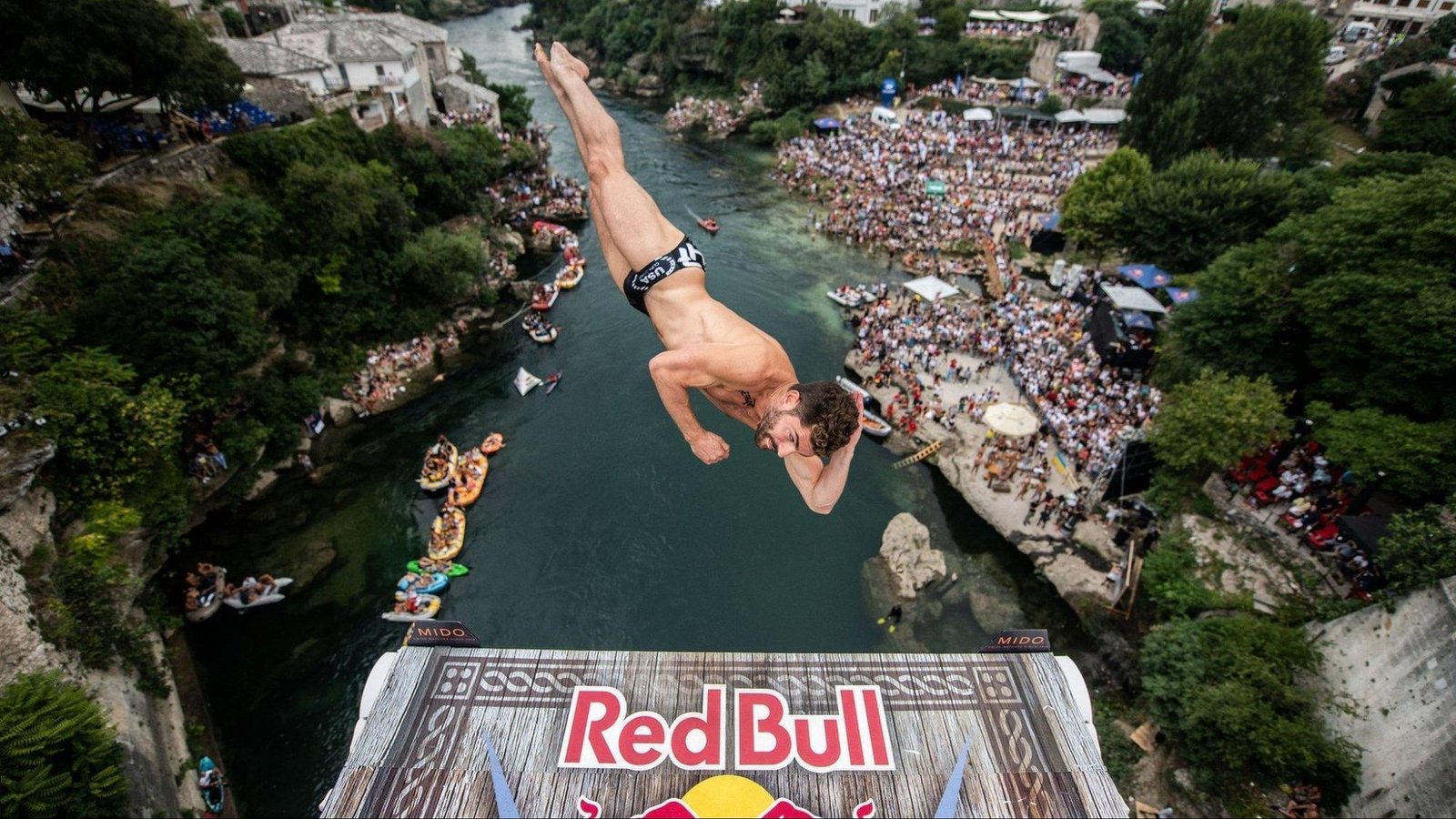
The cycle looks something like this: invest in a property, create an experience, capture the story, distribute the content and reinforce the brand’s association with sport and culture.
It is a model that takes time and money to build. Sporting teams can lose, athletes can attract controversy and events can carry significant safety and financial risks. And attention does not automatically translate into beverage sales.
Red Bull’s public financial results show the scale of its beverage business, but they do not provide a transparent breakdown of how much each sporting property or media production contributes to sales.
Still, the company’s competitive advantage is not difficult to identify. A rival can sponsor a team, hire an athlete or produce an expensive advertisement. Replicating Red Bull’s decades-long network of sporting properties, production capabilities, content archives and distribution relationships is a much bigger challenge.
Red Bull still sells an energy drink. But it has built an entire ecosystem around giving people something to watch, talk about and come back to.
The can gives you energy. The marketing machine makes sure you know who to associate it with